
Carbon Steel CNC Machining
Resolute Precision Manufacturing machines carbon steel precision components across the full range of carbon steel grades -- 1018 low-carbon for general structural components, 1045 medium-carbon for strength-critical applications, and 12L14 free-machining for high-volume production of complex small-diameter parts. Carbon steel is the most economical material choice for machined components where corrosion protection can be applied through coating. ISO 9001 certified. 24-hour quote response. Request a QuoteCarbon Steel -- The Foundation of Precision Machining
Carbon steel is the foundational machining material — widely available, economical, predictable to machine, and capable of being heat treated to a wide range of mechanical properties. From the soft, machinable 1018 used for prototype machined parts to 1045 for components requiring moderate hardness, the family of carbon steels covers a continuous range of strength, hardness, machinability, and cost.
For CNC machined components where corrosion resistance is not the primary requirement — and where the cost premium of stainless or non-ferrous alloys is not justified — carbon steel provides the best combination of machinability, mechanical properties after heat treatment, and per-part cost.
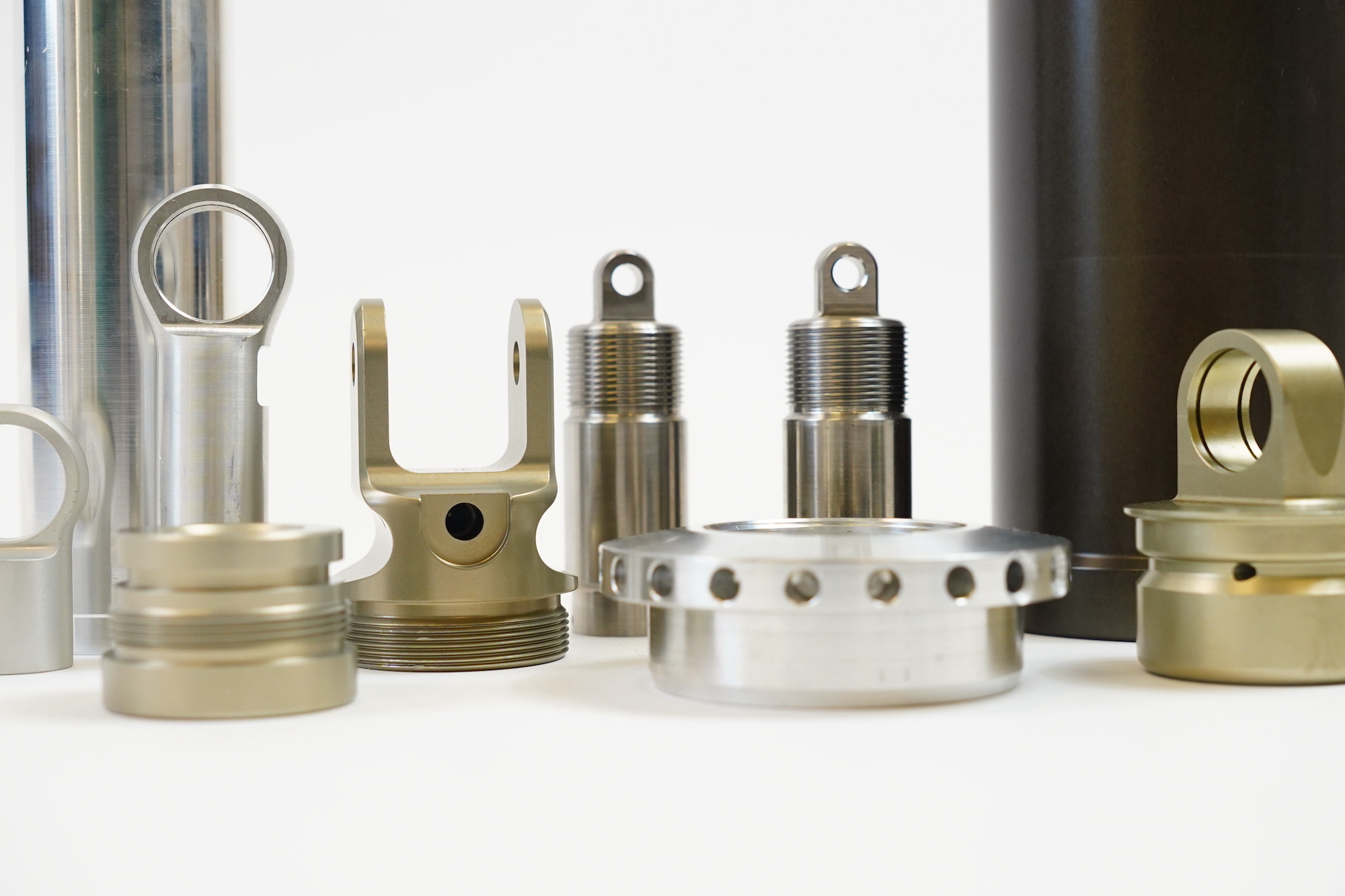
Carbon Steel Grade Selection
The right carbon steel grade depends on the strength, machinability, and post-machining processing requirements:
- AISI 1018 (low carbon, 0.18% C) — excellent machinability; case hardening grade; cannot be through-hardened; yield strength approximately 54 KSI; the standard grade for general structural machined components where heat treatment is not required
- AISI 1045 (medium carbon, 0.45% C) — through-hardenable to Rc 54 maximum; yield strength 60 KSI annealed, 90+ KSI hardened; the standard grade for components requiring moderate strength from heat treatment
- AISI 12L14 (leaded free-machining steel) — 0.15-0.35% lead addition produces the best machinability of all carbon steel grades; cannot be welded; not suitable for heat treatment; used exclusively for high-volume production where dimensional accuracy and surface finish are the priority
- AISI 1117 (resulfurized free-machining) — sulfur addition improves machinability; can be case hardened; alternative to 12L14 where lead content is a concern
Specifications
|
Grades |
1018, 1020, 1045, 1117, 12L14 — standard stocked grades; others on request |
|
Turning |
Swiss CNC (20mm-38mm); bar-fed to 3.2″ diameter; chucked turning to 25.5″ diameter |
|
Milling |
3, 4, 5-axis vertical and horizontal milling for prismatic carbon steel components |
|
Heat Treatment |
1018: case hardening/carburize; 1045: quench and temper (Q&T) to Rc 54 max — coordinated through outside operations |
|
Surface Protection |
Black oxide, zinc plating, electroless nickel — coordinated through outside coatings |
|
Tolerances |
+-0.001″ standard; grinding coordination for tighter requirements after heat treat |
|
Volume |
1 prototype to 500,000+ parts per year |
|
Certifications |
ISO 9001:2015 |
|
|
|
Carbon Steel Applications From RPM
Carbon steel CNC machined components from Resolute Precision serve structural, mechanical, and high-volume production applications:
- General structural components — 1018 brackets, shafts, spacers, and structural hardware
- Tooling and fixtures — 1045 tooling bodies heat treated to moderate hardness
- Fasteners and hardware — 12L14 and 1045 high-volume fasteners produced efficiently
- Gears and sprockets — 1045 and 4140 gear blanks for subsequent heat treatment and tooth cutting
- Automotive components — high-volume 12L14 turned components for automotive sub-assemblies
- Agricultural hardware — 1045 pins, shafts, and structural components for farming equipment
Industries We Serve
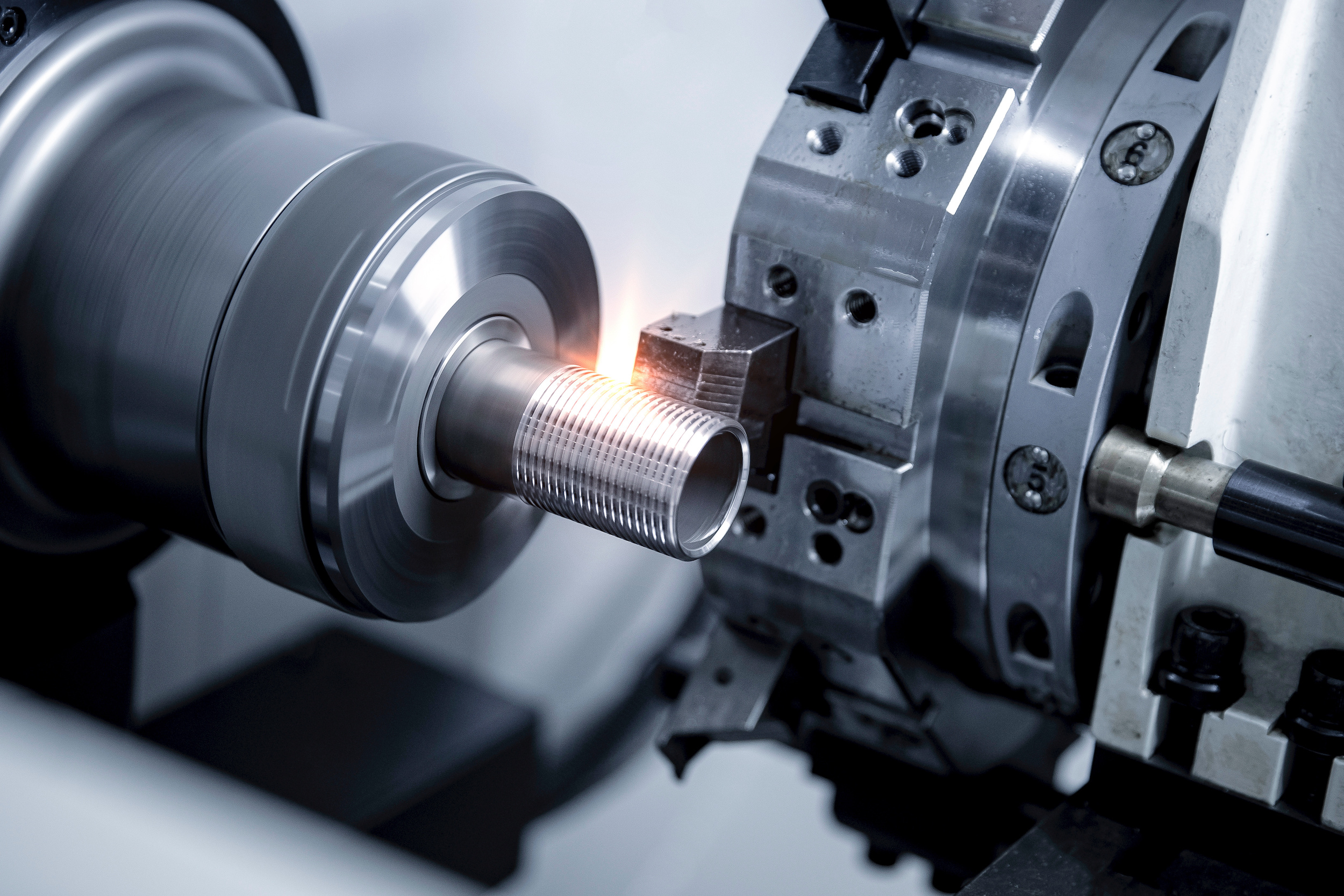
CNC Turning Services
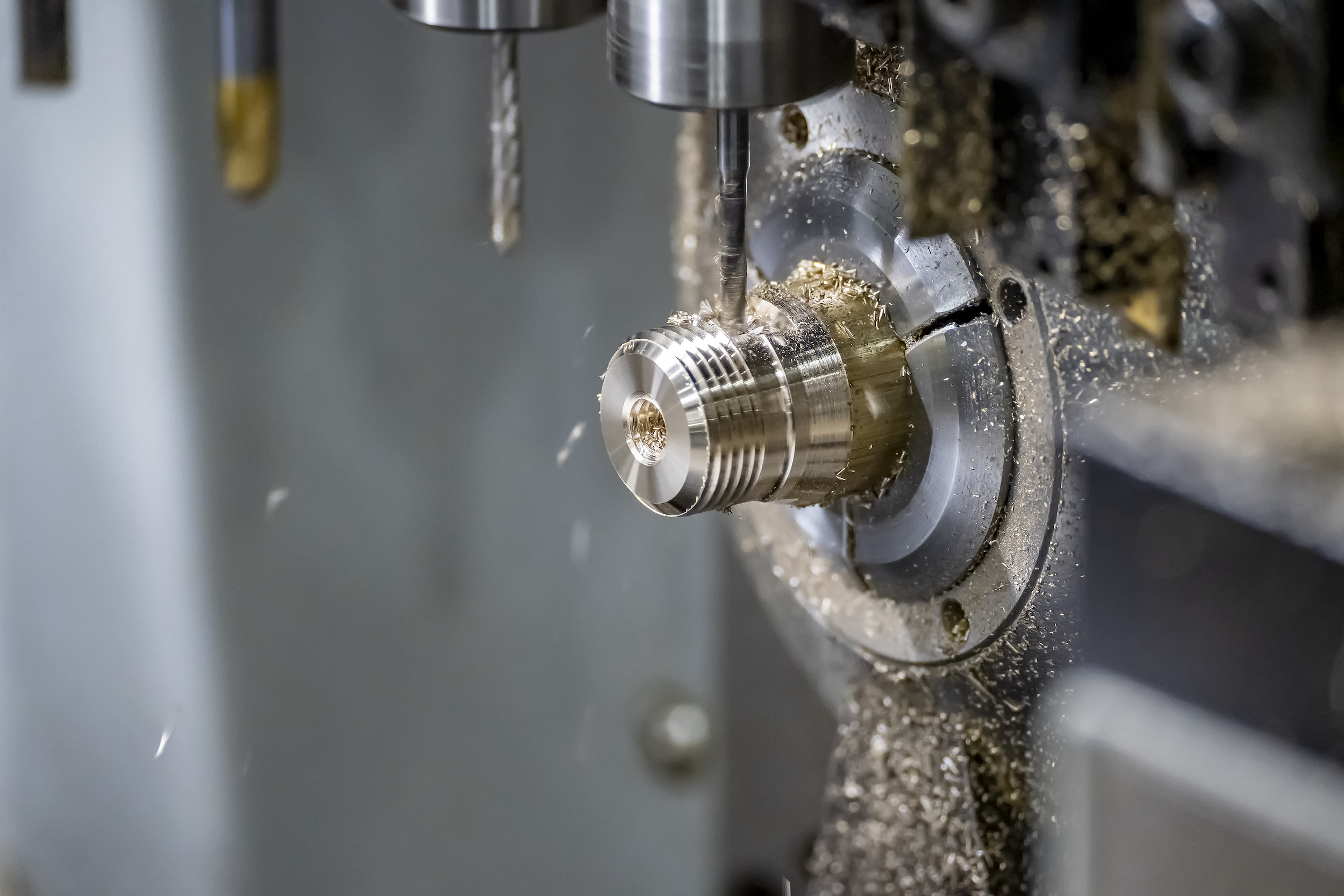
CNC Milling Services
Custom Fasteners

Value-Added Services
Frequently Asked Questions
Q: What is the difference between 1018 and 1045 carbon steel?
A: 1018 is a low-carbon steel (0.18% C) with excellent machinability and weldability but limited heat treatability — it can be case hardened but not through hardened. 1045 is a medium-carbon steel (0.45% C) that can be through hardened to Rc 54, providing significantly higher strength after heat treatment. Use 1018 for components where welding is required or heat treatment is not; use 1045 where moderate heat-treated strength is required.
Q: Is 12L14 appropriate for my application?
A: 12L14 is ideal when machinability and per-part production cost are the primary requirements — but it has significant limitations. The lead content makes 12L14 unweldable and unsuitable for heat treatment. If your part requires welding, heat treating, or heavy structural loading, specify 1018 or 1045 instead.
Q: What surface treatment should I specify for carbon steel parts?
A: For interior applications with minimal corrosion exposure, black oxide with oil is adequate. For moderate industrial environments, zinc plating provides better protection. For severe or outdoor environments, electroless nickel provides the best protection.
Q: Can RPM coordinate heat treatment and grinding for 1045 steel shafts?
A: Yes. For 1045 steel shafts requiring hardening and final dimension, we machine with appropriate grinding stock, coordinate quench and temper heat treatment through our outside operations network, and then coordinate OD grinding to final dimension. You receive a fully finished, heat-treated shaft with all process certifications from a single purchase order.