
Brass CNC Machining
Resolute Precision Manufacturing provides precision brass machining across our full CNC capabilities, including Swiss CNC for small-diameter fittings and connector bodies, bar-fed turning for production fasteners, and vertical and horizontal milling for custom hardware and complex components. Brass 360 (C36000 free-machining brass) is one of the most commonly machined materials in our shop. We produce precision brass components in quantities ranging from prototypes to high-volume production. ISO 9001:2015 certified. 24-hour quote response. Request a QuoteWhy Brass is the Preferred Material for Machined Fittings and Hardware
Brass has been widely used for machined fittings, valves, connectors, and hardware for more than a century because it combines excellent machinability with corrosion resistance, conductivity, and durability.
C36000 (360 free-machining brass) is one of the easiest brass alloys to machine. Its lead content promotes short, clean chips and helps reduce built-up edge during cutting, allowing high production rates, consistent surface finishes, and extended tool life. These characteristics make brass an efficient choice for high-volume precision components.
Beyond machinability, brass offers good corrosion resistance in many fluid environments, excellent electrical conductivity, low magnetic permeability, and favorable wear characteristics for certain sliding-contact applications. These properties make it suitable for components used in plumbing, fluid power, electrical, industrial, and hardware applications.
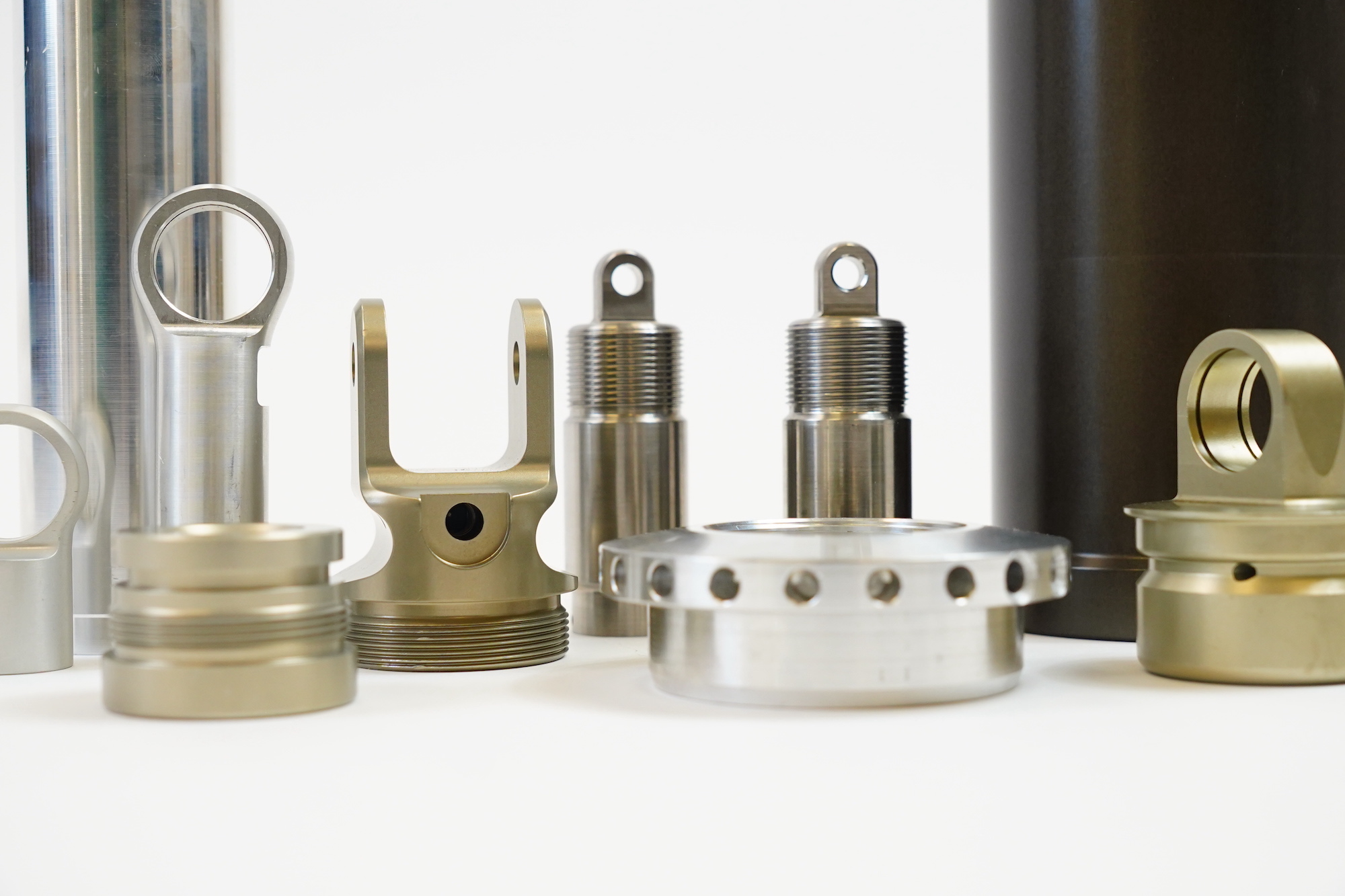
Brass Alloy Selection
Different brass alloys provide specific combinations of machinability, strength, corrosion resistance, and forming characteristics:
- C36000 (360 free-machining brass) — Excellent machinability and the standard choice for many machined fittings, valves, connector bodies, and fasteners.
- C26000 (cartridge brass, 70/30) — Excellent cold-forming characteristics for drawn and formed components.
- C28000 (Muntz metal, 60/40) — Higher zinc content with good machinability and suitability for certain marine applications.
- C38500 (free-machining brass) — High zinc content and excellent machinability for architectural and industrial hardware.
- C46400 (naval brass) — Tin addition provides improved seawater corrosion resistance for marine components.
- C48500 (leaded naval brass) — Improved machinability compared with C46400 for selected marine fitting applications.
Specifications
| Primary Alloy | C36000 (360 free-machining brass); the standard alloy for most machined fittings and hardware |
| Other Alloys | C26000, C28000, C38500, C46400, and C48500; available upon request with material procurement lead time |
| Turning | Swiss CNC (20mm–38mm) for small fittings and connector bodies; bar-fed turning up to 3.2″ diameter for production |
| Milling | Vertical and horizontal CNC milling for valves, manifolds, and custom hardware |
| Tolerances | ±0.001″ standard; ±0.0005″ on precision sealing surfaces |
| Thread Types | NPT, BSPP, BSPT, metric, and Unified; all standard thread forms in brass |
| Surface Finish | Ra 32–63 microinch as-machined; bright or satin finishes available |
| Volume | 500 to 5,000,000+ parts per year; brass is ideal for high-volume production |
| Certifications | ISO 9001:2015 |
Brass Applications From RPM
Our Brass CNC Machining capabilities support precision components used across plumbing, hydraulics, electronics, industrial equipment, and hardware applications, including:
- Hydraulic and pneumatic fittings — NPT, BSPP, and ORFS-threaded brass bodies for fluid-system connections.
- Plumbing and gas fittings — Standard and custom brass fittings for plumbing and gas distribution applications.
- Electrical connector bodies — Precision-machined brass shells and connector bodies for electrical and RF connectors.
- Custom fasteners — Brass screws, bolts, nuts, inserts, and other corrosion-resistant fastening components.
- Valve components — Valve bodies, stems, balls, and seats for suitable medium-pressure applications.
- Musical instrument components — Precision-turned brass components for instrument mechanisms and hardware.
Industries We Serve
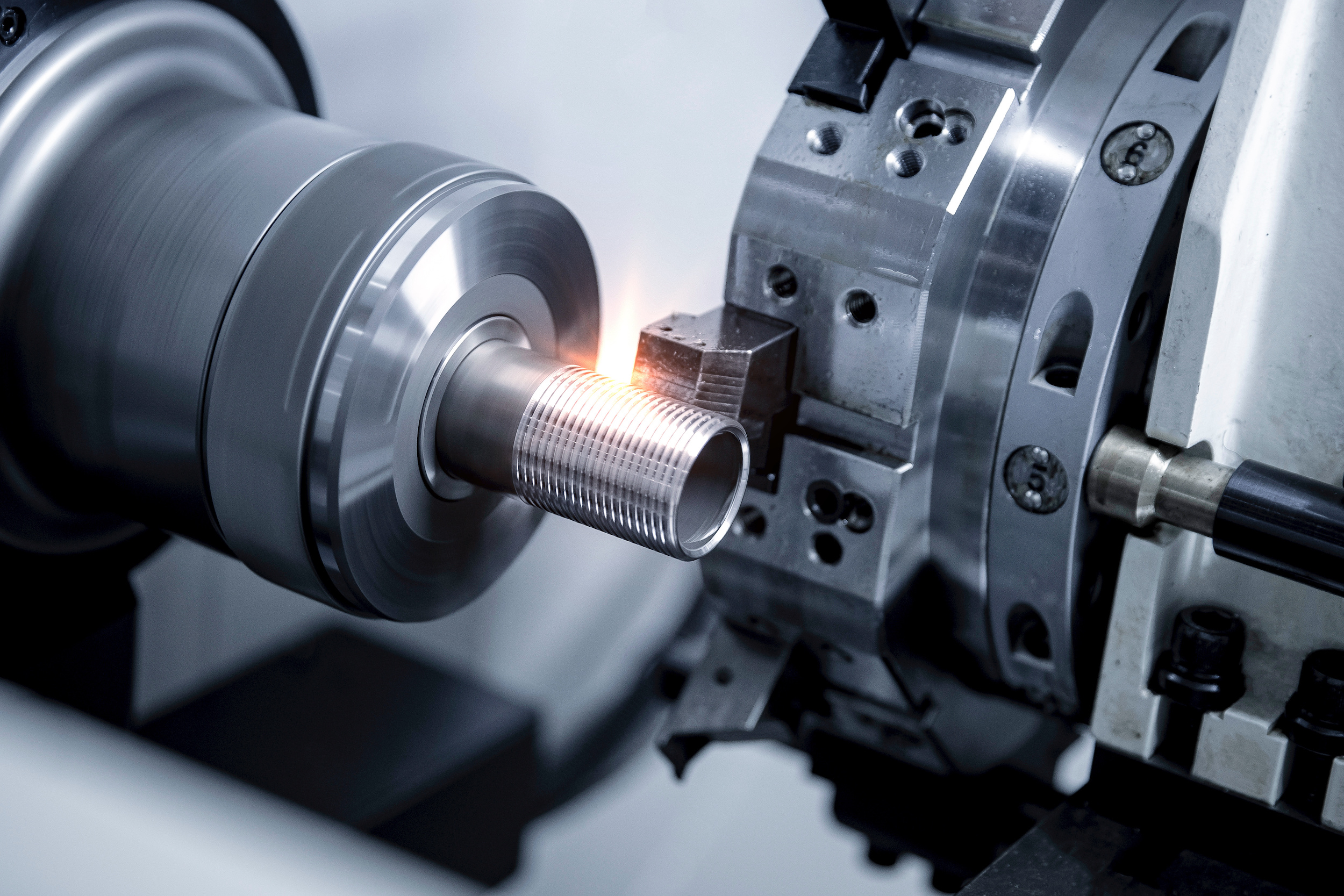
Aerospace & Defense
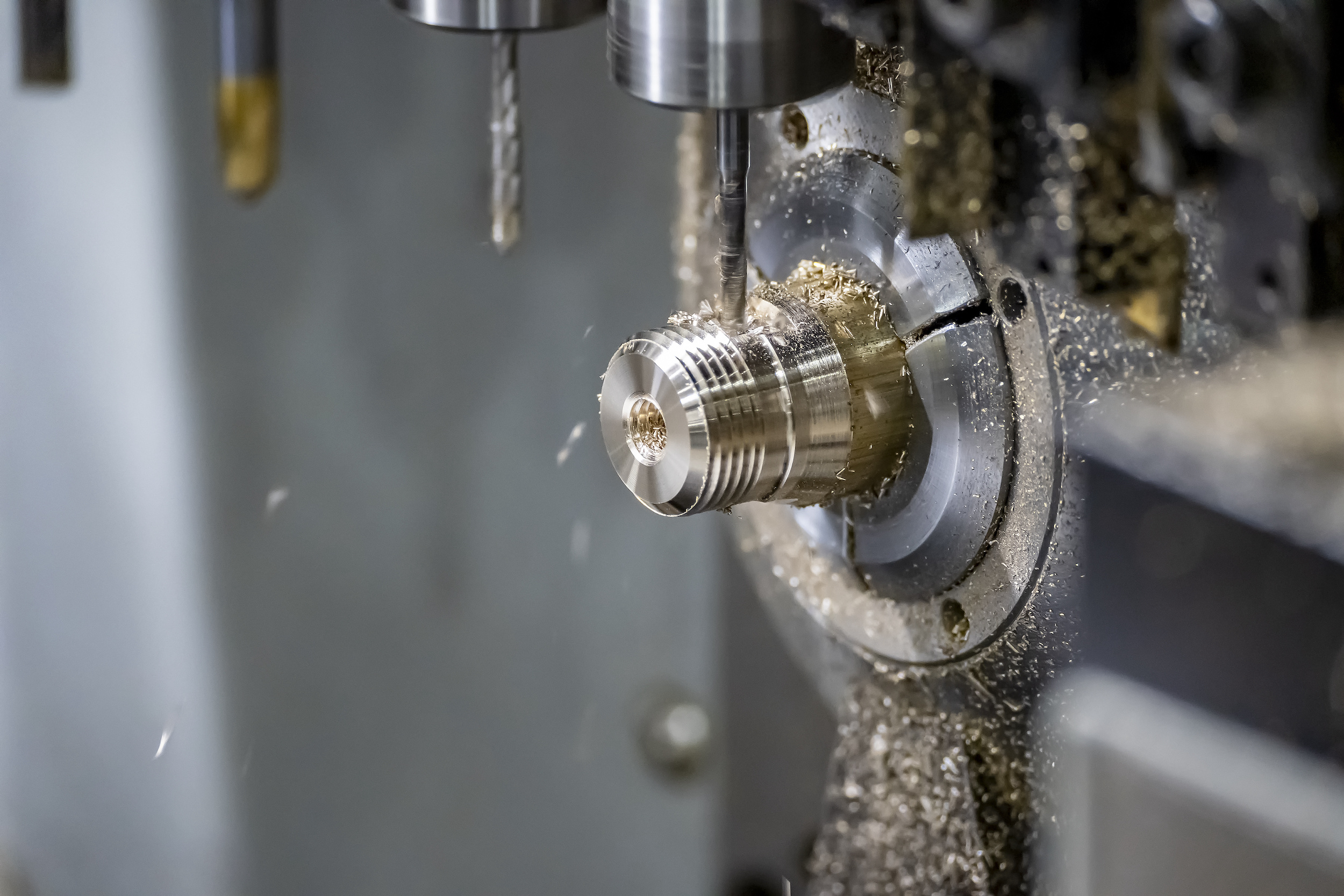
Medical Devices
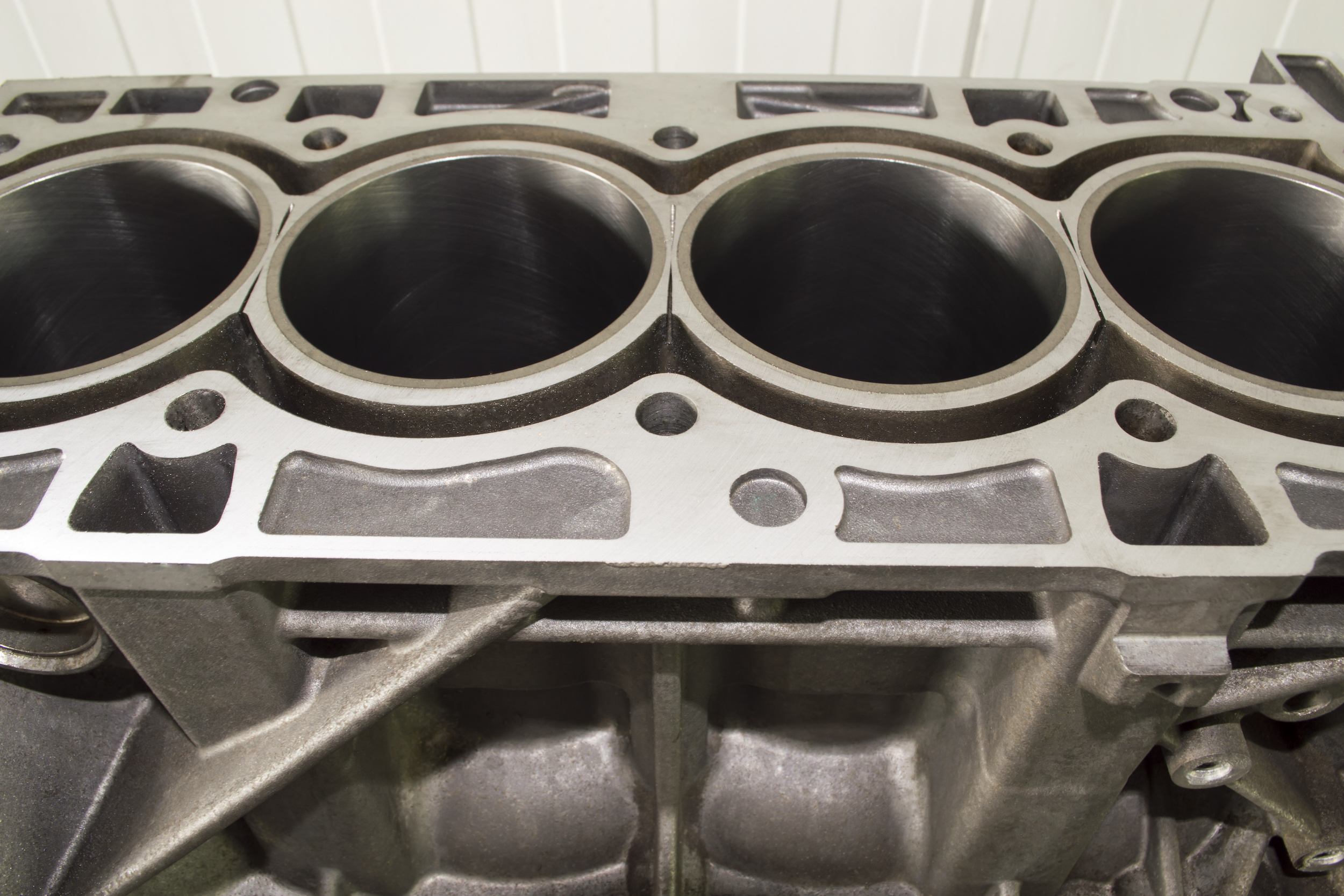
Automotive

Fluid Power
Frequently Asked Questions
Q: What makes 360 brass the most machinable metal?
A: C36000 (360 free-machining brass) contains 3% lead, which acts as a chip-breaking lubricant during machining. This produces short, clean chips that clear the cutting zone rapidly, enabling high cutting speeds with low tool wear. The result is excellent surface finish, long tool life, and high production rates — translating directly to lower cost per part.
Q: Can RPM produce brass fittings with NPT and BSPP threads on the same part?
A: Yes. Our live tooling lathes produce both NPT and BSPP threads in a single setup — the thread form is programmed into the machine control for each feature. Many fluid system adapters require a US NPT port on one end and a metric BSPP port on the other, and we produce them in one cycle.
Q: Is leaded brass (360) appropriate for potable water or food contact applications?
A: No. Lead content in 360 brass is not acceptable for potable water contact under current regulations including NSF 61 and California AB 1953. For plumbing components in potable water service, specify low-lead brass (C87850, DZR brass) or 316 stainless. We advise on compliant material selection for water contact applications.
Q: What is the difference between brass and bronze?
A: Brass is a copper-zinc alloy — the zinc content varies from 10% to 45% depending on the specific alloy. Bronze is a copper-tin alloy, often with additions of aluminum, silicon, or phosphorus. Bronze generally has better wear resistance and seawater corrosion resistance than brass, making it preferred for bearings, bushings, and marine hardware requiring longer service life.