
Copper CNC Machining
Resolute Precision Manufacturing machines copper precision components for electrical, thermal, and specialized industrial applications. Copper 101 (oxygen-free, highest conductivity), copper 110 (electrolytic tough pitch), and copper 145 (tellurium copper, free-machining) are all within our capability on Swiss CNC, bar-fed lathes, and vertical milling centers. ISO 9001 certified. 24-hour quote response. Request a QuoteWhy Copper Requires Specific Machining Expertise
Copper is one of the more challenging materials to machine well. Unlike aluminium or brass, copper is very ductile and tends to produce long, stringy chips that can entangle tooling and damage machined surfaces. Copper also has a tendency to build up on cutting tool edges a phenomenon called built-up edge that produces rough surfaces and poor dimensional accuracy if not controlled.
Successful copper machining requires sharp tools with high positive rake angles, high cutting speeds to prevent built-up edge, and appropriate chip-breaking strategies to manage the long stringy chips that copper produces. Resolute Precision’s machinists understand these requirements and apply the correct process for each copper grade delivering parts with the dimensional accuracy and surface finish that electrical and thermal applications require.
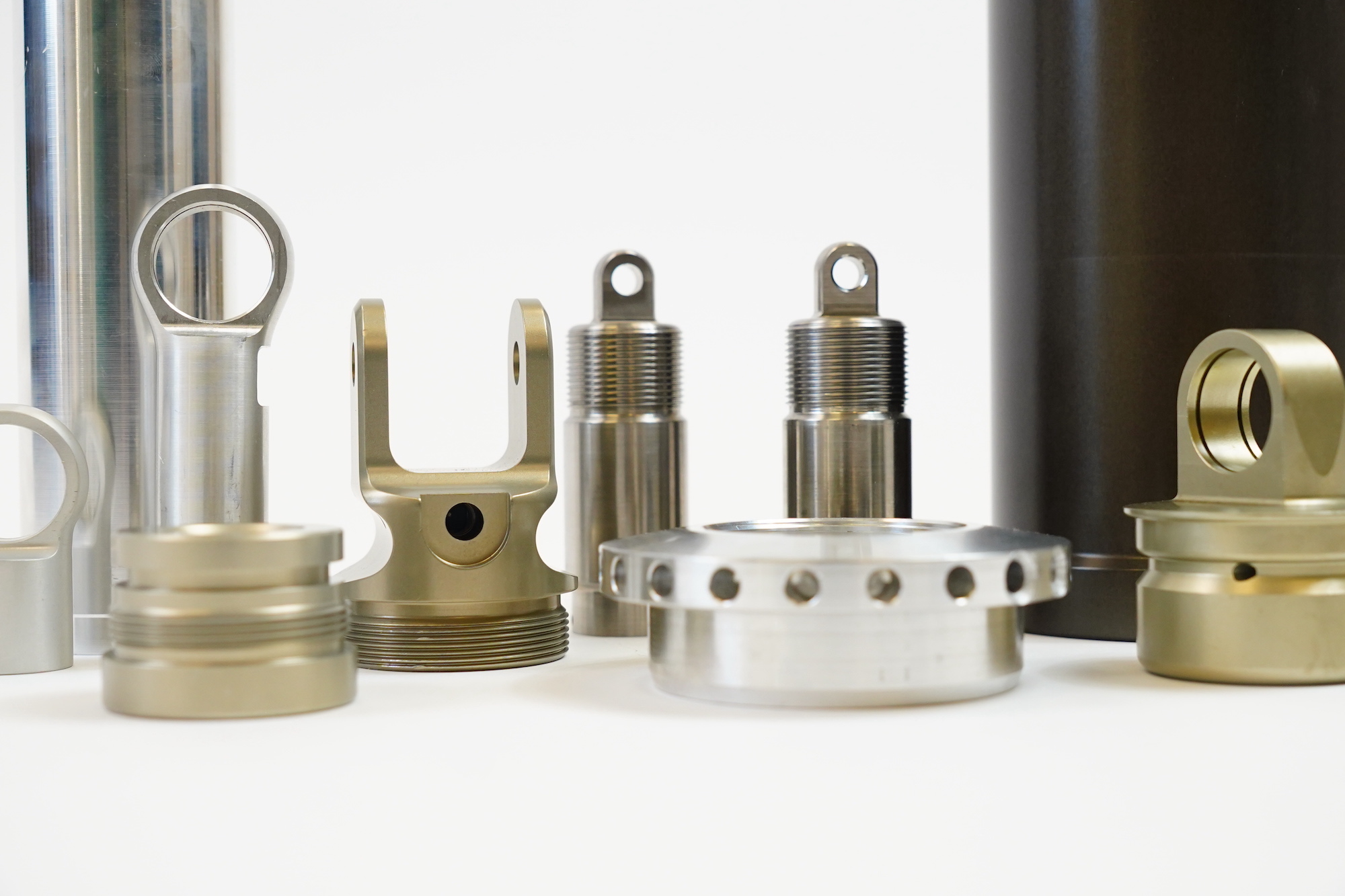
Copper Grade Selection
Three copper grades cover the majority of machined copper applications:
- C10100 (Copper 101, oxygen-free electronic, OFE) — highest electrical conductivity (101% IACS); used for the most demanding electrical conductor applications where maximum conductivity is essential
- C11000 (Copper 110, electrolytic tough pitch, ETP) — 99.9% pure copper; 101% IACS conductivity; most widely used electrical conductor grade; standard for bus bars, contacts, and current-carrying components
- C14500 (Copper 145, tellurium copper) — 0.5% tellurium addition greatly improves machinability while retaining 93%+ IACS conductivity; the preferred copper grade for CNC machined electrical components
Specifications
| Primary Grade | C14500 (tellurium copper) for machined parts with excellent machinability; C11000 for maximum electrical conductivity |
| Turning | Swiss CNC (20mm–38mm); bar-fed turning up to 3.2″ diameter; chucked turning for larger copper components |
| Milling | Vertical CNC milling for bus bars, heat spreaders, and copper structural components |
| Conductivity | C10100/C11000: 101% IACS; C14500: 93%+ IACS, suitable for most electrical applications |
| Tolerances | ±0.001″ standard; ±0.0005″ on precision contact surfaces |
| Volume | Prototype through production quantities |
| Certifications | ISO 9001:2015 |
Copper Applications From RPM
Precision machined copper components from Resolute Precision serve electrical, thermal, and industrial applications:
- Electrical bus bars and current conductors — C110 and C145 copper machined to precise contact geometry
- RF and microwave connector components — precision turned and bored copper connector bodies
- Heat spreaders and thermal management — copper heat sinks and spreader plates for power electronics
- Contact clips and spring contacts — precision turned C145 copper contact components
- Welding tips and EDM electrodes — resistance welding tips and sinker EDM electrodes in C110 copper
Industries We Serve
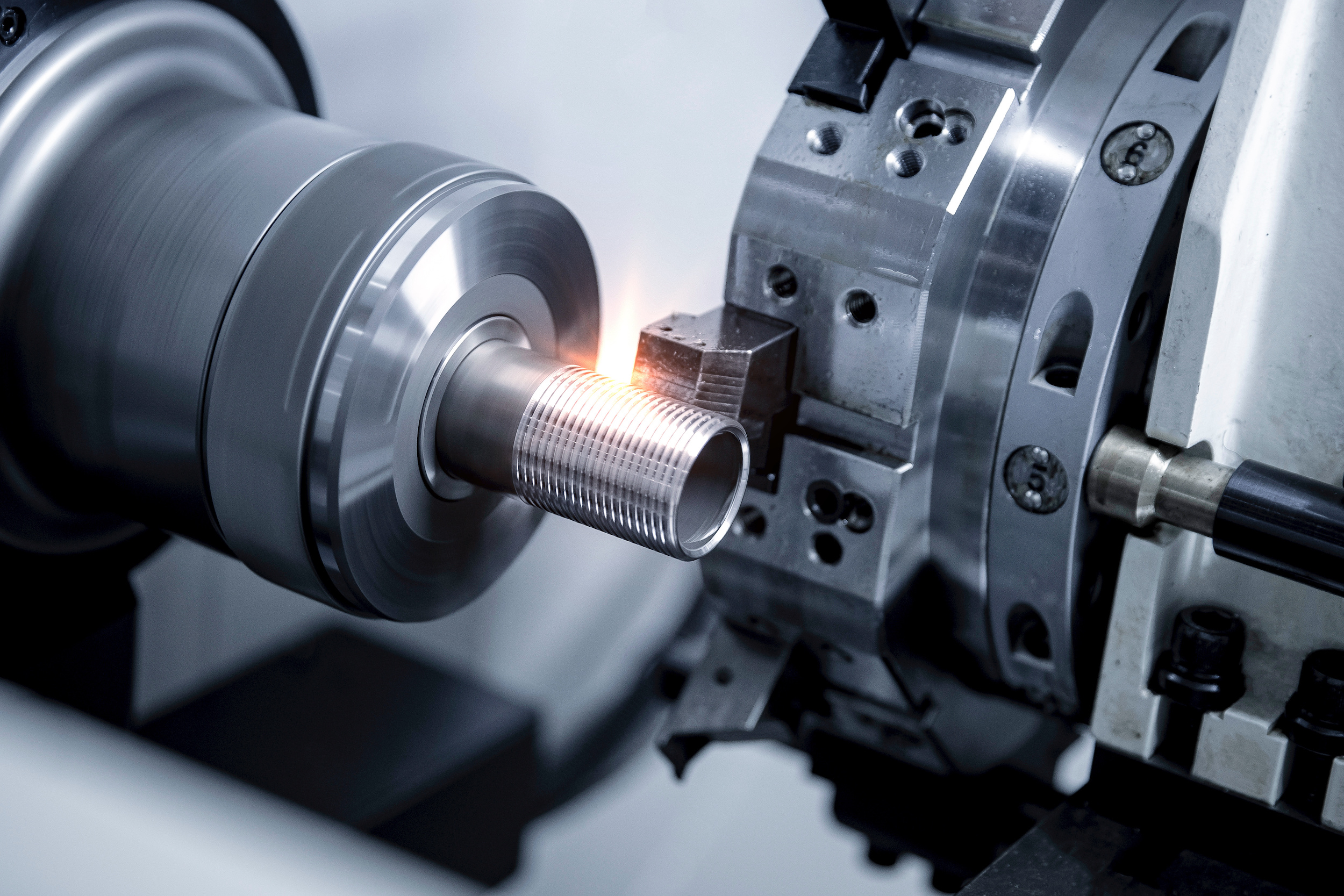
CNC Turning Services
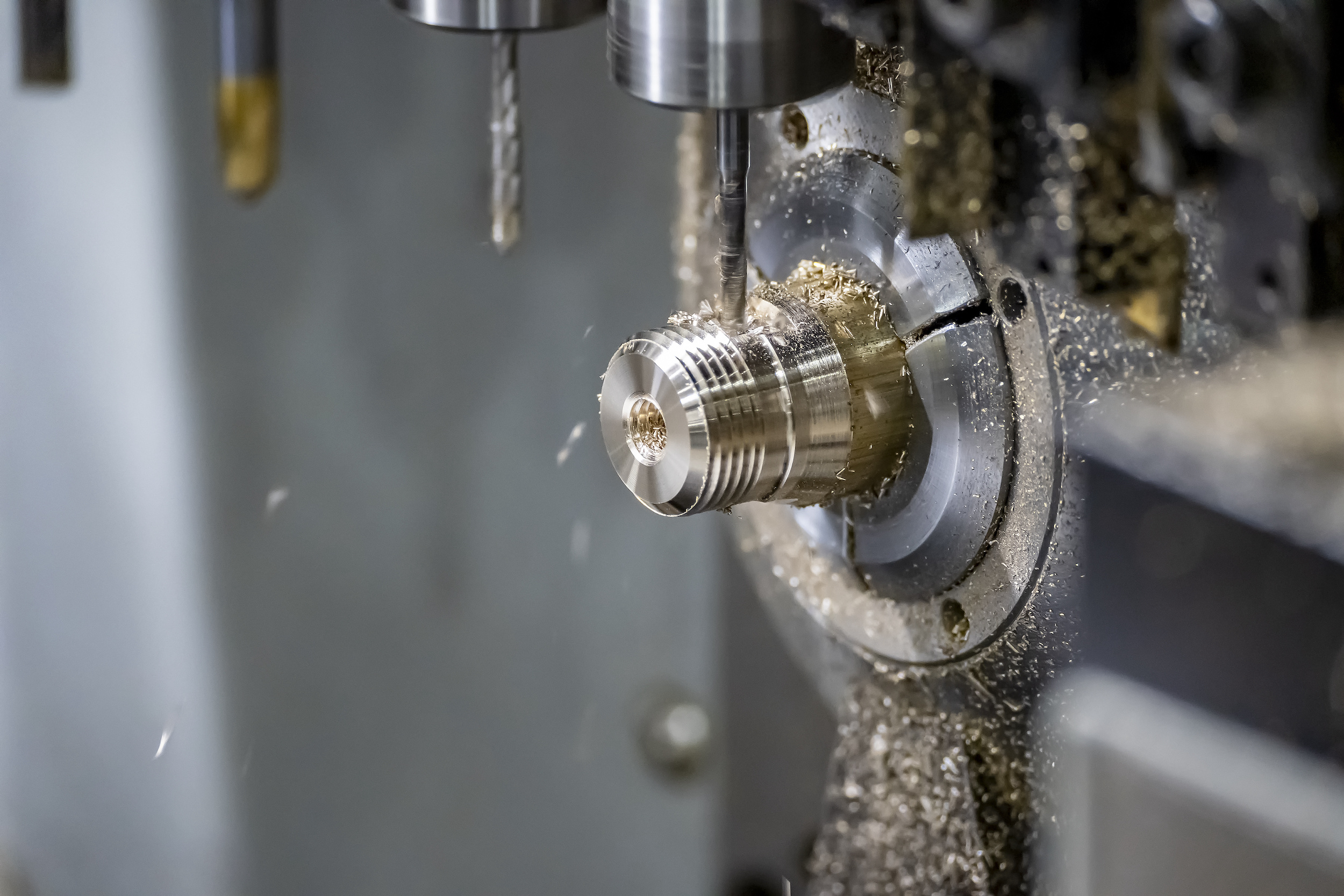
CNC Milling Services
Custom Fasteners

Value-Added Services
Frequently Asked Questions
Q: Which copper grade should I specify for a CNC machined electrical contact?
A: C14500 (tellurium copper) is the recommended grade for CNC machined electrical contacts. The 0.5% tellurium addition dramatically improves machinability compared to C10100 or C11000 while retaining over 93% IACS conductivity sufficient for the vast majority of electrical contact applications.
Q: Why is copper harder to machine than brass?
A: Copper’s high ductility causes it to produce long stringy chips and encourages built-up edge on cutting tools. Brass contains zinc which makes it more brittle and significantly easier to machine. For applications where conductivity requirements can be met by brass (55-65% IACS), brass is often the more practical material choice.
Q: Can RPM machine oxygen-free copper for sensitive electronic applications?
A: Yes. C10100 (oxygen-free electronic copper) is within our machining capability. We source material with mill certifications confirming the oxygen-free designation. OFE copper is required for applications where outgassing in vacuum environments or hydrogen embrittlement risk makes oxygen-bearing copper unsuitable.
Q: Does RPM coordinate surface treatment for machined copper parts?
A: Yes. Silver plating and tin plating are common surface treatments for copper contact components — they prevent oxidation of the copper surface that increases contact resistance over time. We coordinate these treatments through our outside coating network.