
Heat Treating Services
Resolute Precision Manufacturing coordinates heat treating of precision machined components through our qualified outside heat treat network. Quench and temper, stress relieving, annealing, carburizing, and through-hardening we manage the complete process and deliver heat treated parts with full certification documentation. One purchase order covers machining and heat treatment. Request a QuoteWhy Heat Treatment Matters for Precision Parts
Heat treatment changes the mechanical properties of a metal part increasing hardness and strength, relieving internal stresses, or establishing a specific microstructure for the application. The right heat treatment is as critical to the performance of a machined component as the geometry itself. A shaft made from 4140 steel at 90 KSI tensile strength behaves very differently from the same shaft at 180 KSI after quench and temper to H condition.
The challenge with heat treatment in a precision machining program is dimensional distortion. Quenching in particular introduces distortion shafts bow slightly, bores change diameter, thin sections warp. Managing this distortion requires understanding the interaction between part geometry, material, heat treat process, and the subsequent grinding or finishing required to bring the part to final dimension.
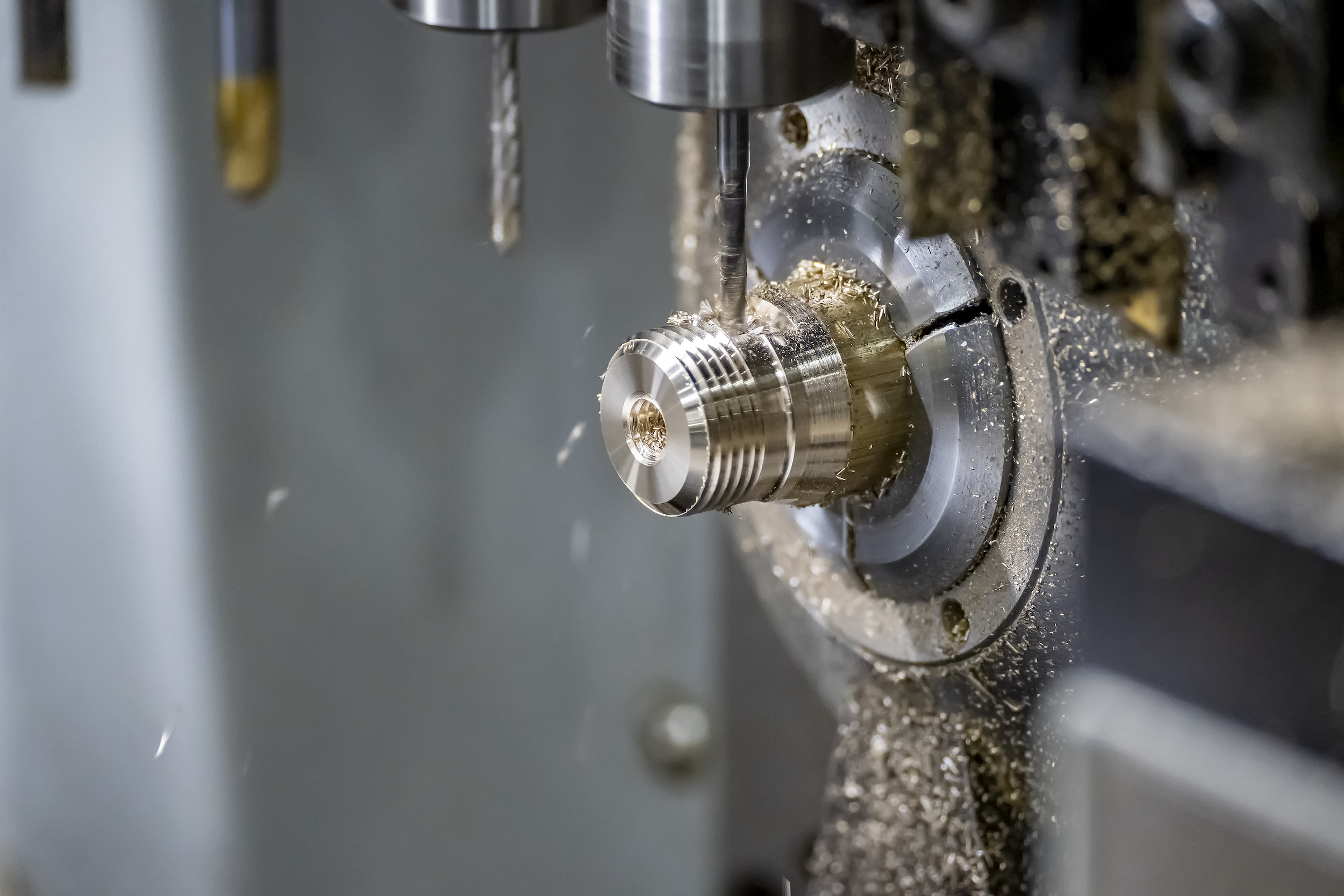
Our Services
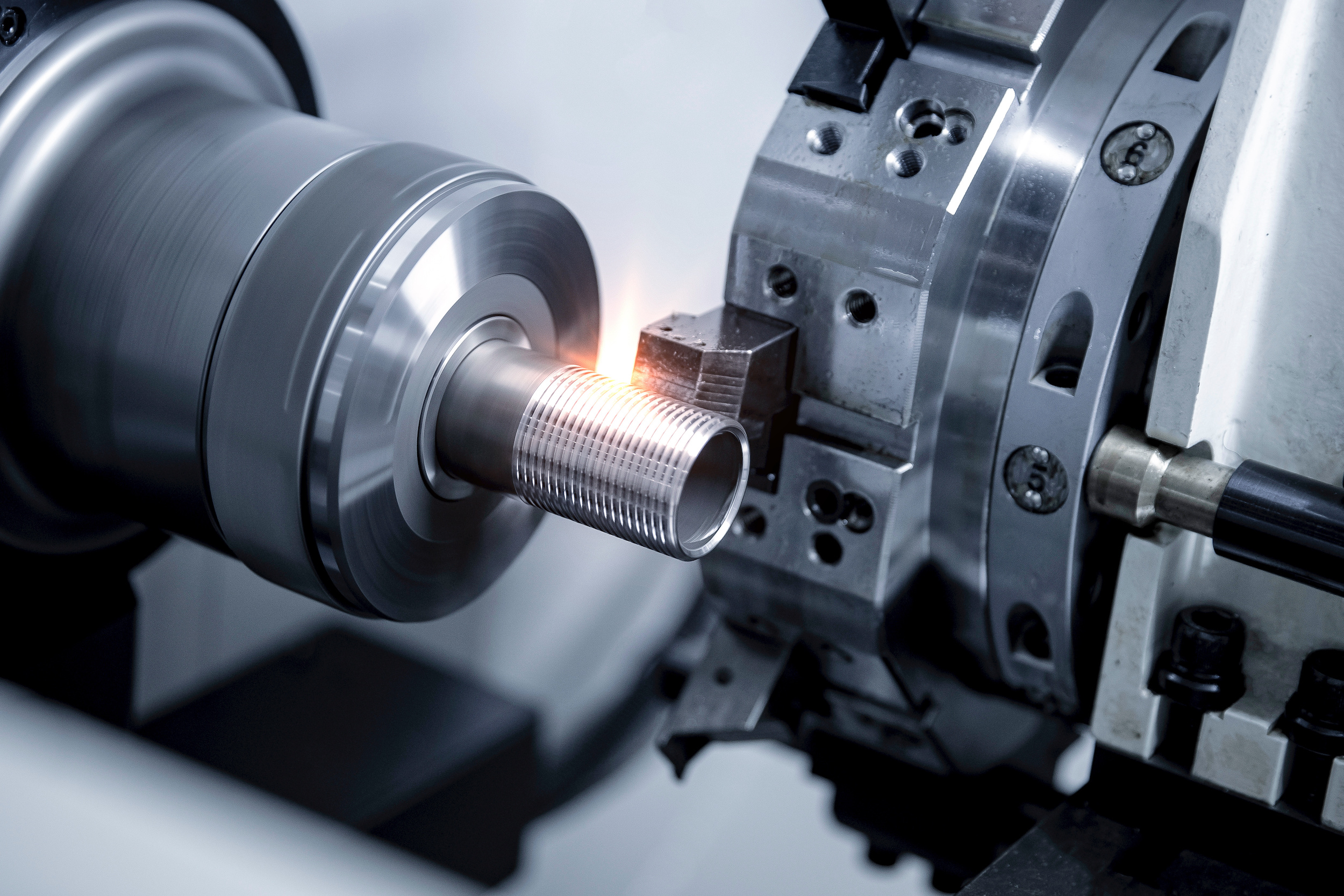
Why Heat Treatment Matters for Precision Parts
Heat treatment changes the mechanical properties of a metal part increasing hardness and strength, relieving internal stresses, or establishing a specific microstructure for the application. The right heat treatment is as critical to the performance of a machined component as the geometry itself. A shaft made from 4140 steel at 90 KSI tensile strength behaves very differently from the same shaft at 180 KSI after quench and temper to H condition.
The challenge with heat treatment in a precision machining program is dimensional distortion. Quenching in particular introduces distortion shafts bow slightly, bores change diameter, thin sections warp. Managing this distortion requires understanding the interaction between part geometry, material, heat treat process, and the subsequent grinding or finishing required to bring the part to final dimension.
Heat Treat Processes We Coordinate
We coordinate the following heat treating processes through our qualified supplier network:
Quench and temper (Q&T) — full hardening followed by tempering to specified hardness range (Rc 28–55 typically)
Stress relieve — low-temperature cycle to reduce machining-induced residual stress without hardness change
Anneal — full or process anneal to soften material for subsequent machining or forming
Normalize — air cooling from austenitizing temperature to refine grain structure and relieve stress
Carburize and case harden — carbon enrichment of surface followed by quench for high surface hardness with tough core
Through-harden — full cross-section hardening for uniform hardness applications
Specifications
| Materials | All hardenable steels — 1045, 4140, 4340, 8620, D2, H13, 17-4 PH stainless steel, and others |
| Hardness Range | Rc 20–65 depending on material, process, and specification |
| Specifications | AMS 2759 series, ASTM A255, MIL-H-6875, and customer-proprietary specifications |
| Case Depth (Carburize) | 0.010″ to 0.060″ effective case depth, per drawing specifications |
| Documentation | Heat treatment certifications, hardness test reports, and case depth reports provided with finished parts |
| Turnaround | Typically 1–2 weeks for standard processes; expedited service available upon request |
| Certifications | ISO 9001:2015 |
Design Considerations for Heat Treated Parts
Our engineers can advise on the following heat treatment design considerations during your quoting process:
Material selection — choosing the right steel grade for the target hardness and toughness requirement
Stock allowance — leaving machining allowance for post-heat-treat grinding on critical dimensions
Masking and selective hardening — protecting threads and precision bores from case hardening where required
Print callout — specifying hardness range, case depth, and heat treat specification on the drawing
Frequently Asked Questions
How much dimensional change should I expect after heat treatment?
Distortion from quench hardening is geometry and material dependent. Thin sections and long slender parts distort more. As a general rule, allow 0.003″ to 0.010″ stock on OD diameters that require grinding after heat treat. We advise on stock allowance as part of the quoting process.
Can RPM selectively harden only certain surfaces on a part?
Yes. Through masking with copper plating or mechanical shields, we can protect specific features from case hardening threads, precision bores, and ground surfaces are commonly masked during carburizing and nitriding processes.
What documentation does RPM provide with heat treated parts?
We provide the heat treater’s certification of conformance, hardness test records (Rockwell or Brinell), case depth measurements for carburized parts, and temperature charts for critical processes. All documentation is referenced to the specific lot and part number.
Can RPM handle stainless steel heat treatment?
Yes. We coordinate 17-4 PH stainless heat treatment to H900, H1025, H1075, and other aging conditions per AMS 5604. We also coordinate solution annealing of 316 and 304 stainless for stress relief and corrosion resistance optimization.