
Aluminum CNC Machining — 6061, 7075 & Aluminum Alloys
Resolute Precision Manufacturing machines aluminum precision components across our full CNC capability — Swiss turning, bar-fed turning, vertical and horizontal milling. Aluminum is the most commonly machined material in our shop. We produce aluminum parts in 6061, 7075, 2024, 5052, and other alloys, in quantities from single prototypes to high-volume production runs. ISO 9001 certified. Direct from the shop to your dock. Request a QuoteWhy Aluminum is the Ideal CNC Machining Material
Aluminum is the preferred material for CNC machined components when weight, thermal conductivity, or corrosion resistance matters — and when the application does not require the strength of steel. Aluminum machines at cutting speeds three to five times faster than steel, producing excellent surface finish with sharp tooling and appropriate cutting parameters. This high machinability translates directly to lower cost per part for equivalent complexity.
Aluminum’s combination of machinability, lightweight (one-third the density of steel), corrosion resistance, thermal and electrical conductivity, and excellent strength-to-weight ratio when heat-treated make it the dominant CNC machined material in aerospace, electronics, robotics, automotive, and industrial applications.
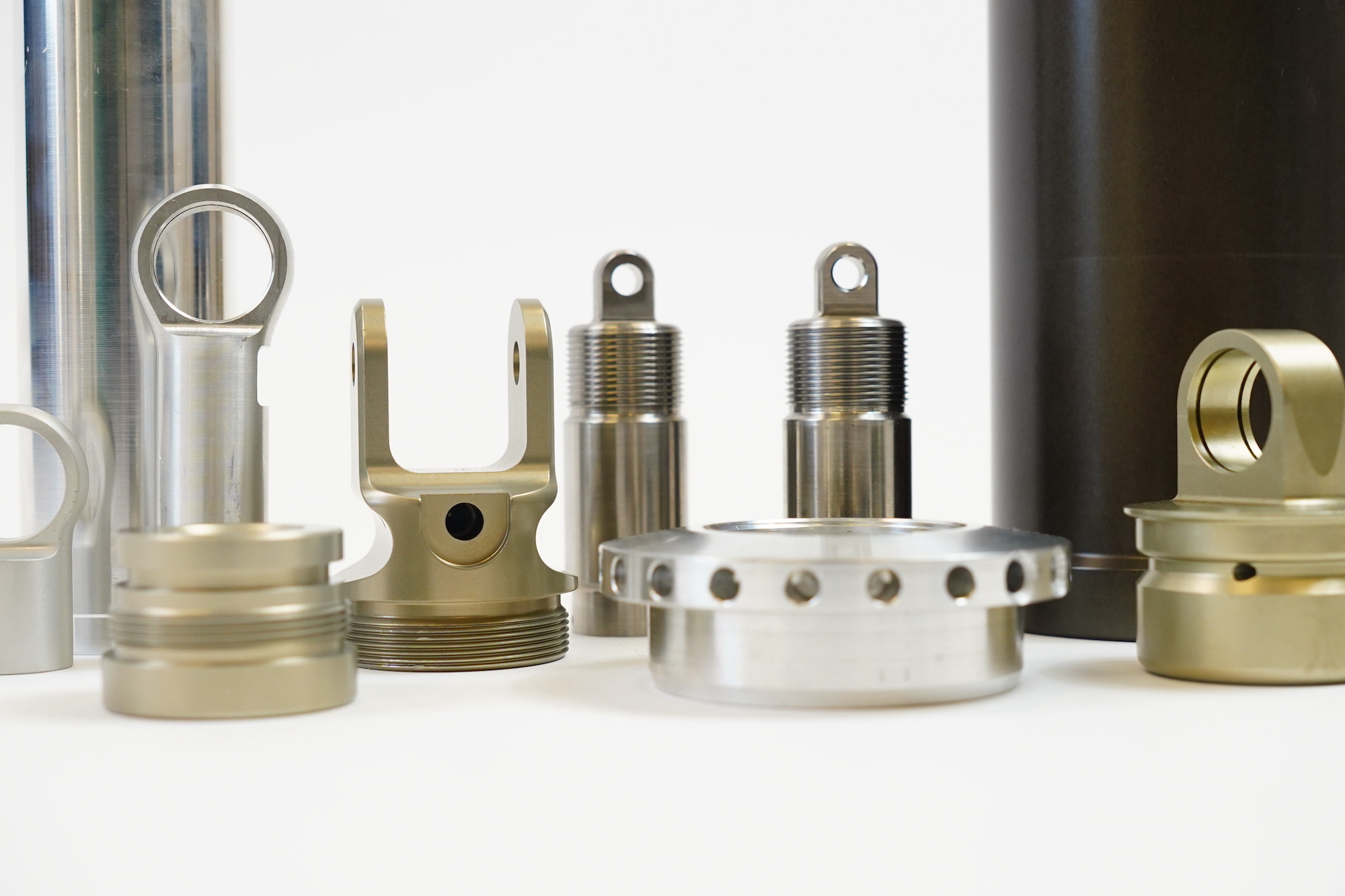
Aluminum Alloy Selection Guide
The right aluminum alloy depends on the mechanical, chemical, and processing requirements of your application:
- 6061-T6 — the most common machining alloy; good strength (40 KSI yield), excellent corrosion resistance, good weldability; ideal for structural parts, housings, and general machined components
- 7075-T6 — highest strength aluminum (73 KSI yield); used for aerospace structural components and high-stress applications; less corrosion resistant than 6061; not weldable
- 2024-T3 — high strength with good fatigue resistance; common in aerospace skins and fittings; limited corrosion resistance — typically clad or anodized
- 5052-H32 — excellent corrosion resistance in marine environments; not heat-treatable; used for sheet metal and formed marine components
- MIC-6 (cast tool plate) — dimensionally stable cast aluminum plate; ideal for tooling plates, fixtures, and precision reference surfaces
Specifications
| Alloys | 6061, 7075, 2024, 5052, 6063, MIC-6, and other aluminum alloys available upon request |
| Turning | Swiss CNC (20mm–38mm); bar-fed turning up to 3.2″ diameter; chucked turning up to 25.5″ diameter |
| Milling | 3, 4, and 5-axis vertical milling (up to 20″ × 50″); horizontal 4th-axis (500mm); full aluminum machining capabilities |
| Surface Finish | Ra 32–63 microinch standard as-machined; Ra 16 or better available with polishing passes |
| Tolerances | ±0.001″ standard; ±0.0005″ for precision fits; tighter tolerances available with coordinated grinding |
| Coatings | Type II and Type III hard coat anodizing, chemical conversion coating (Alodine), and paint; coordinated through qualified outside suppliers |
| Volume | 1 prototype to 500,000+ parts per year |
| Certifications | ISO 9001:2015 |
Aluminum Applications From RPM
Aluminum CNC machined components from Resolute Precision serve applications across many industries:
- Aerospace: structural brackets, fittings, and housings in 6061 and 7075
- Electronics: EMI enclosures, heat sinks, and connector bodies in 6061
- Robotics: lightweight structural arms, joint housings, and motor mounts in 6061 and 7075
- Automotive: lightweight brackets, sensor housings, and sub-assembly components
- Industrial: tooling plates, fixtures, and precision reference components in MIC-6
- Marine: deck hardware, fittings, and structural components in 6061 and 5052
Industries We Serve
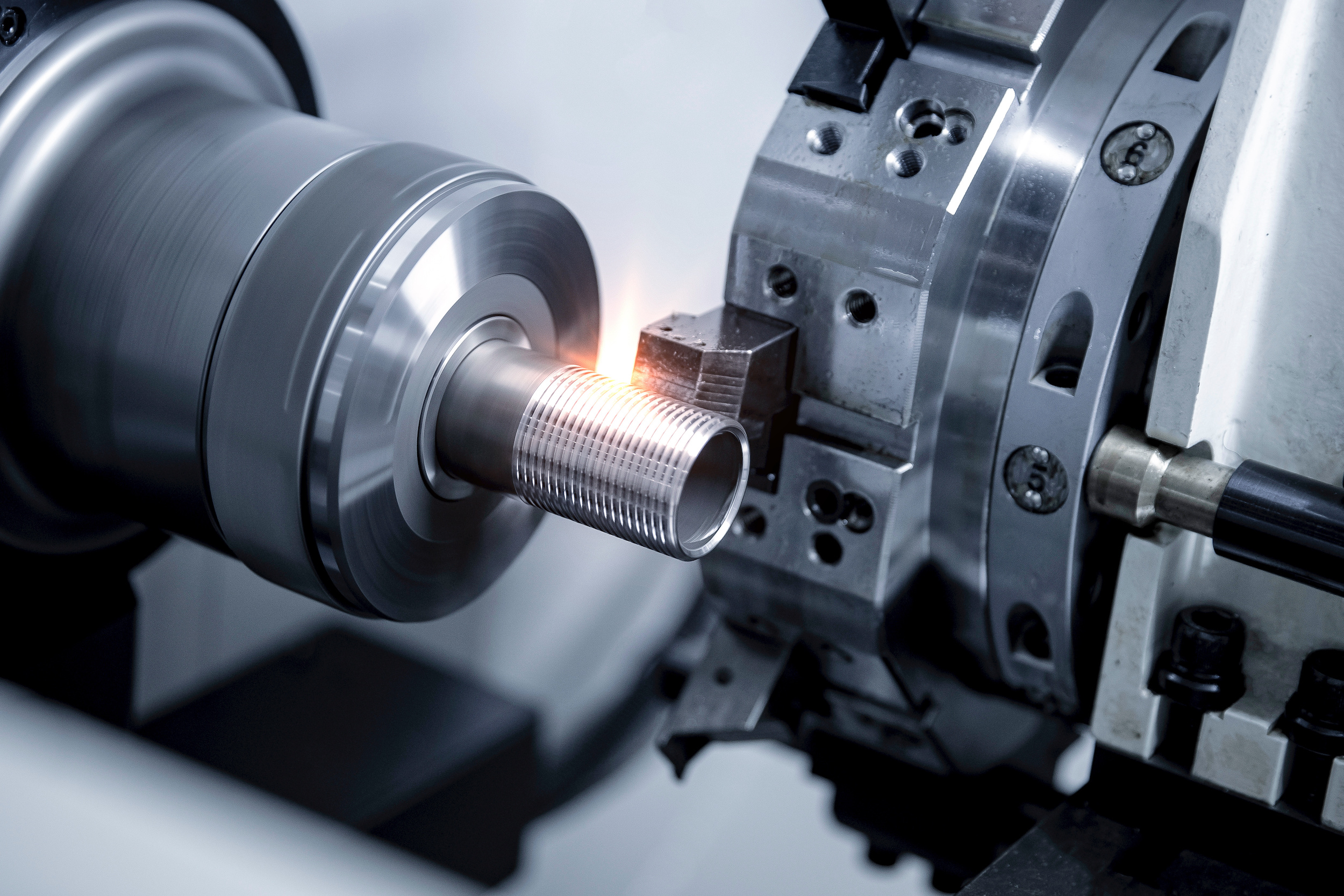
CNC Turning Services
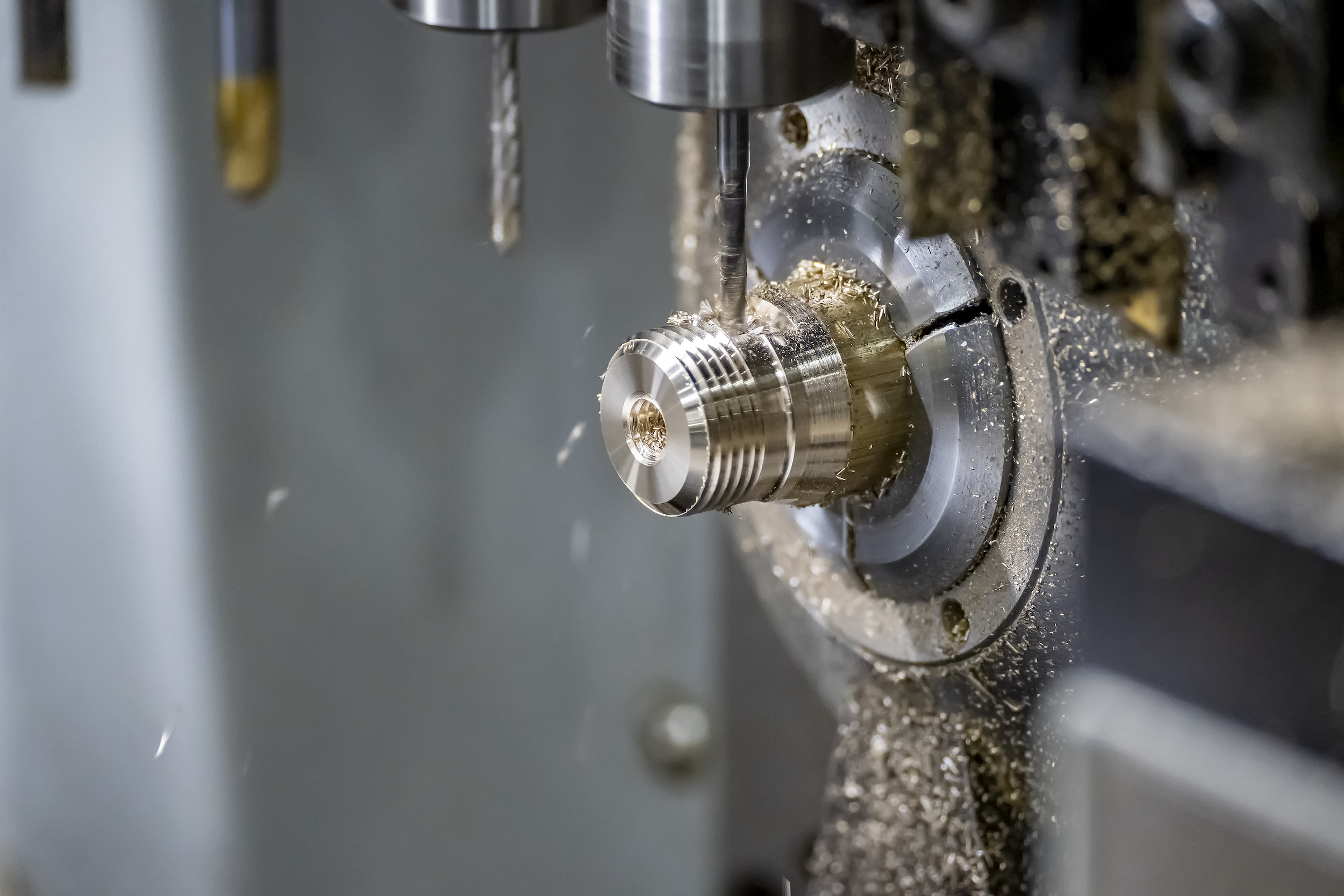
CNC Milling Services
Custom Fasteners

Value-Added Services
Frequently Asked Questions
Q: What is the difference between 6061 and 7075 aluminum?
A: 6061-T6 offers 40 KSI yield strength, excellent corrosion resistance, good weldability, and the best overall machinability of common aluminum alloys — it is the right choice for most applications. 7075-T6 offers 73 KSI yield strength — nearly double 6061 — but lower corrosion resistance and is not weldable. 7075 is chosen when maximum strength is required and the additional corrosion protection of anodize is applied.
Q: Does RPM stock aluminum bar stock for prototype quantities?
A: Yes. We maintain stock of 6061 and 7075 aluminum round bar in common sizes for prototype and short-run production. For less common alloys and sizes, we source within one to two weeks from our material suppliers.
Q: What anodize options are available for aluminum parts from RPM?
A: Through our outside coating services, we coordinate Type II (0.0002″–0.001″ decorative anodize) and Type III hard coat anodize (0.001″–0.002″) in clear, black, and custom colors. We also coordinate chemical conversion coating (Alodine/Iridite) for parts requiring electrical conductivity through the surface treatment.
Q: Can RPM machine thin-wall aluminum sections?
A: Yes. Thin-wall aluminum machining requires appropriate fixturing and tooling to prevent chatter and deflection. We routinely machine walls as thin as 0.040″ in 6061 aluminum with appropriate process controls. Thinner walls are achievable on a case-by-case basis depending on part geometry.