
Stainless Steel CNC MaCHINING
Resolute Precision Manufacturing machines stainless steel precision components across our full CNC capability — Swiss CNC for small-diameter components, bar-fed turning for production volumes, and vertical and horizontal milling for housings and structural components. We produce stainless components in 303, 304, 316L, 17-4 PH, and 15-5 PH in quantities from single prototypes to high-volume production. ISO 9001 certified. 24-hour quote response. Request a QuoteWhy Stainless Steel Requires Specific Machining Knowledge
Stainless steel is significantly more challenging to machine than carbon steel or aluminum. The austenitic grades (303, 304, 316) work-harden rapidly during machining — if cutting parameters allow the tool to dwell or rub rather than cutting continuously, the surface hardens and subsequent passes encounter a harder, more abrasive workpiece. This work hardening is the primary cause of poor surface finish and rapid tool wear in stainless machining.
Successful stainless machining requires sharp tooling, continuous cuts without tool dwell, appropriate feed rates that keep the tool in the cut, and sufficient cutting fluid to manage heat. Resolute Precision’s machinists understand these requirements and apply the correct process parameters for each stainless grade — producing parts with the dimensional accuracy and surface finish that stainless applications require.
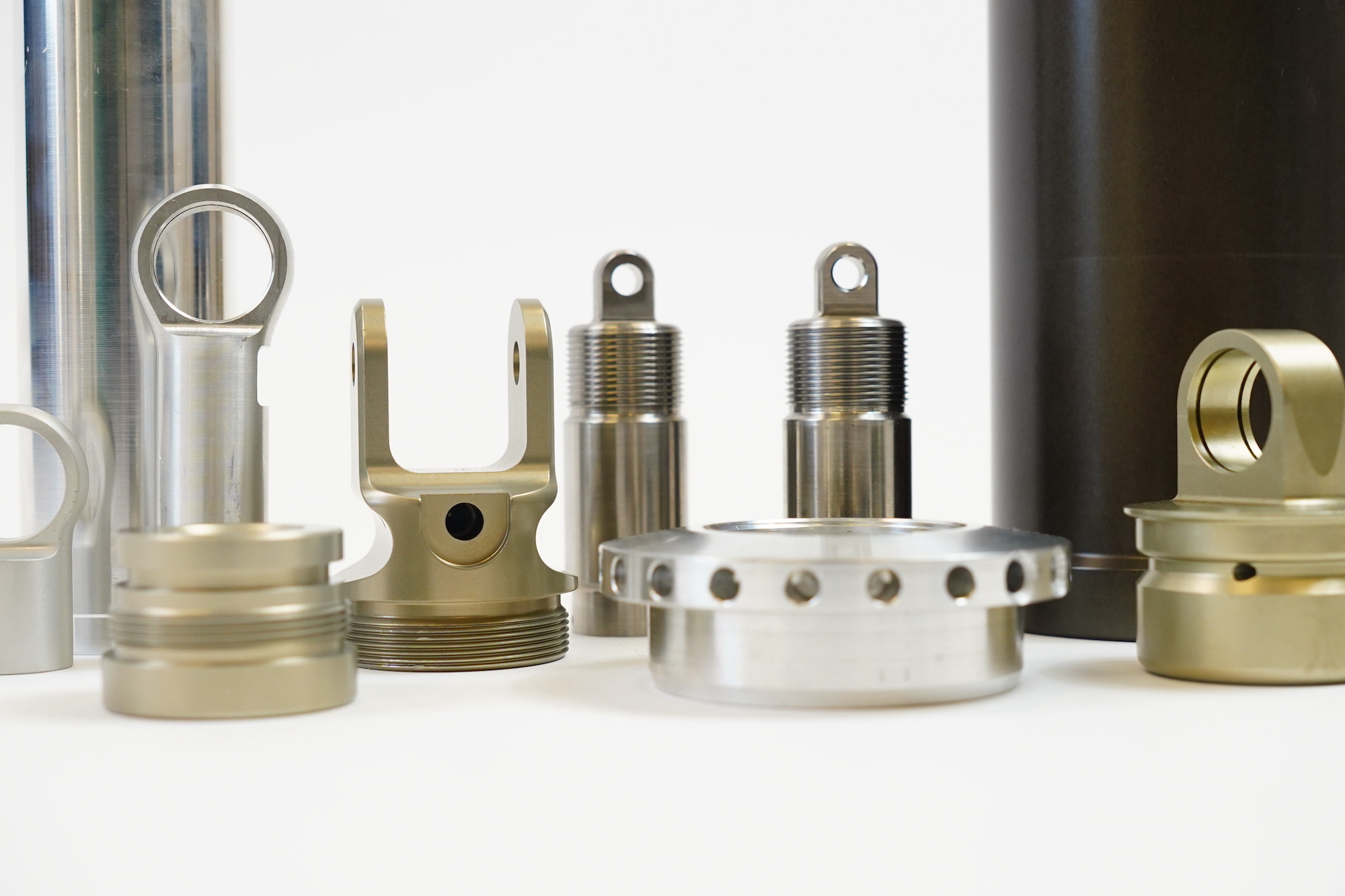
Stainless Steel Grade Selection Guide
Selecting the right stainless grade is the first step in a successful stainless machined part:
- 303 stainless — best machinability of austenitic stainless grades; sulfur addition improves chip breaking; not suitable for welding; used for machined components not requiring welded joints
- 304 and 304L — the most widely used stainless; good corrosion resistance; weldable; lower machinability than 303; used for food, chemical, and general industrial applications
- 316 and 316L — molybdenum addition provides superior corrosion resistance vs 304 in chloride environments; standard for marine, medical, and chemical processing; 316L low-carbon grade for welded assemblies
- 17-4 PH — precipitation hardening grade; heat treated to high strength (up to 220 KSI condition H900); excellent combination of strength and corrosion resistance; used for aerospace and defense components
- 15-5 PH — similar to 17-4 PH with improved toughness at equivalent strength levels; used for aerospace fittings and structural components
Specifications
| Grades | 303, 304, 304L, 316, 316L, 17-4 PH, 15-5 PH; standard stocked grades with additional grades available upon request |
| Turning | Swiss CNC (20mm–38mm) for small-diameter parts; bar-fed and chucked turning for larger components |
| Milling | 3, 4, and 5-axis vertical milling; horizontal milling for multi-face parts and castings |
| Tolerances | ±0.001″ standard; ±0.0005″ on precision surfaces with appropriate process controls |
| Surface Finish | Ra 32–63 microinch standard; Ra 16 available with fine finishing; electropolishing coordinated through qualified outside service providers |
| Passivation | Coordinated per ASTM F86 and AMS 2700; standard for medical and food-contact stainless steel components |
| Heat Treat (PH Grades) | 17-4 PH (H900 through H1150) and 15-5 PH heat treatment conditions coordinated through qualified outside heat treatment providers |
| Volume | 1 prototype through high-volume production |
| Certifications | ISO 9001:2015 |
Stainless Steel Applications From RPM
Stainless steel CNC machined components from Resolute Precision serve the full range of corrosion-sensitive applications:
- Medical devices: 316L implant components and instrument bodies per ASTM F899 material specification
- Food and beverage: 304 and 316 machined components for food processing equipment
- Marine: 316 hardware, fittings, and fasteners for above-waterline marine applications
- Chemical processing: 316L valve components and fittings for corrosive fluid handling
- Aerospace: 17-4 PH structural fasteners and fittings for flight-critical applications
- Industrial: 303 and 304 machined components for general industrial machinery
Industries We Serve
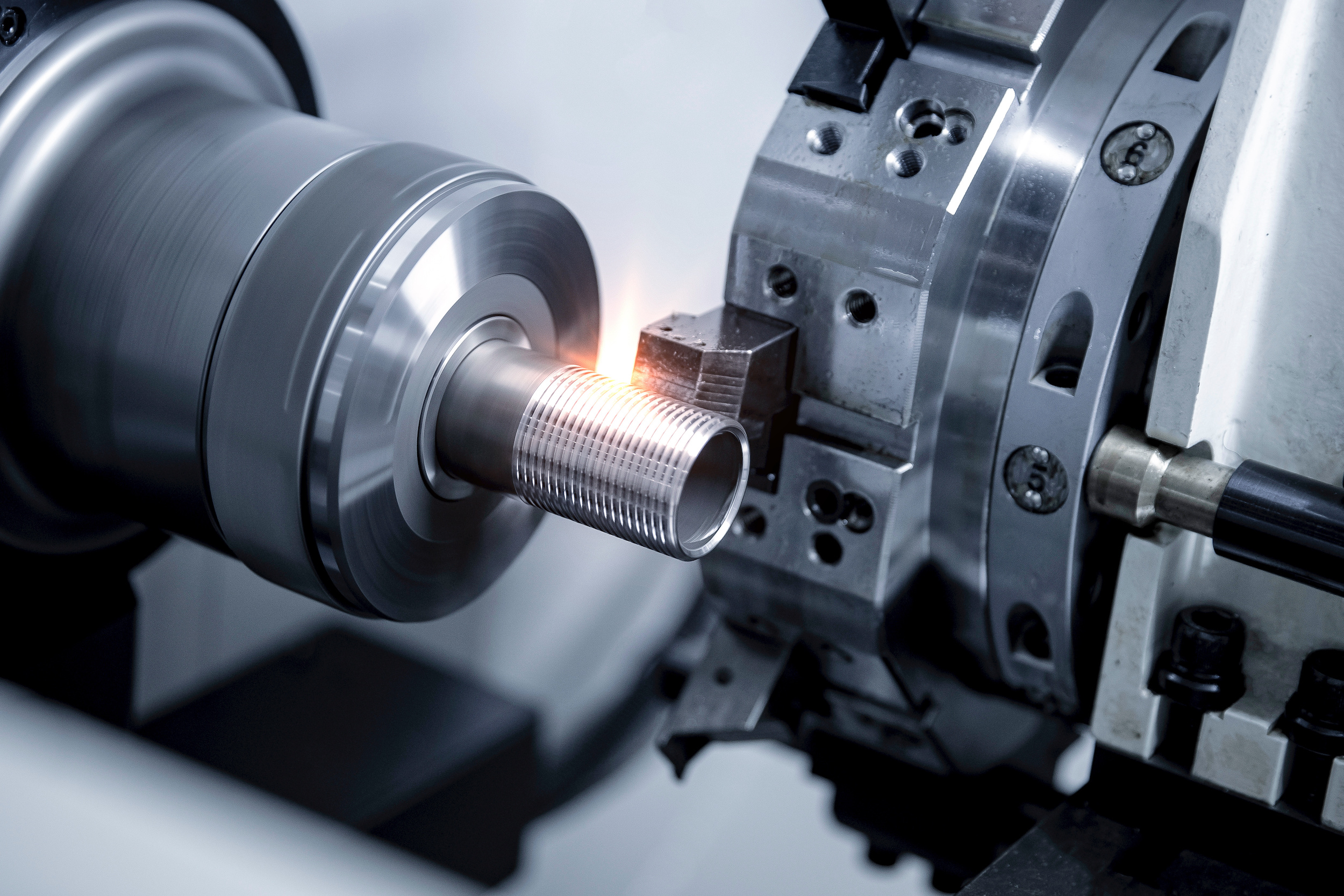
CNC Turning Services
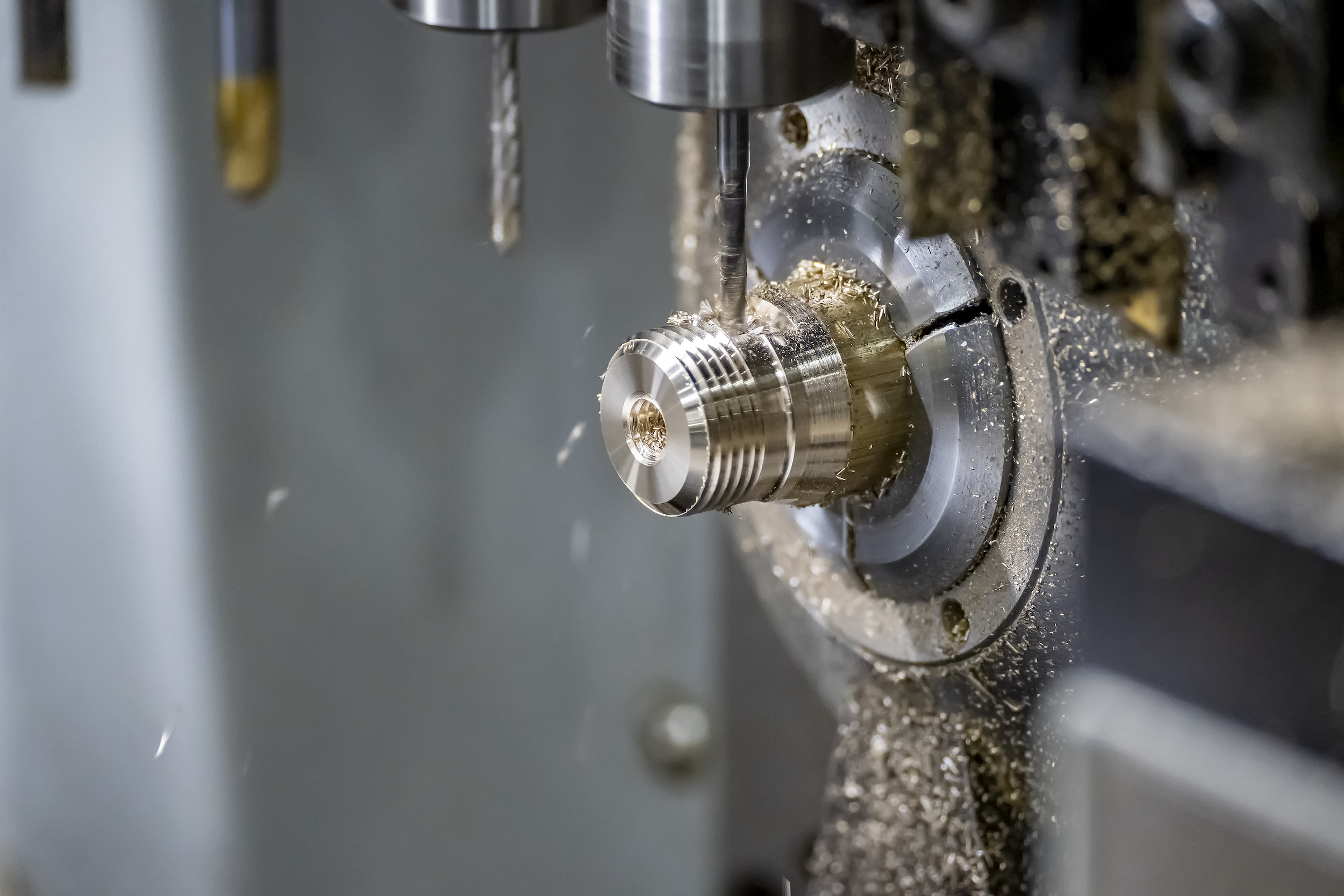
CNC Milling Services
Custom Fasteners

Value-Added Services
Frequently Asked Questions
Q: What is the difference between 304 and 316 stainless?
A: 304 stainless provides good corrosion resistance in most environments. 316 stainless adds 2–3% molybdenum, which provides substantially better resistance to chloride pitting and crevice corrosion — particularly important in marine environments, chemical service, and medical applications. 316L (low carbon) is specified for welded assemblies to prevent carbide precipitation at weld heat-affected zones.
Q: Does RPM passivate stainless parts after machining?
A: Yes. Through our outside coating services, we coordinate passivation per ASTM F86 (medical applications) or AMS 2700 (general aerospace/industrial). Passivation removes free iron from the machined surface that machining tools deposit, restoring the chromium oxide layer that gives stainless its corrosion resistance.
Q: Can RPM machine 17-4 PH stainless before or after heat treatment?
A: Both. We typically machine 17-4 PH in the annealed condition (Condition A), then coordinate heat treatment to the required condition (H900, H1025, etc.) through our outside operations. Where heat treat distortion must be minimized, we machine after heat treatment at the fully hardened condition. We advise on the appropriate sequence during quoting.
Q: What is the hardest stainless grade RPM can machine?
A: We machine 17-4 PH in H900 condition (Rc 40–44) and 440C stainless in the hardened condition (Rc 55–60). Hardened stainless machining requires carbide tooling and specific cutting parameters — contact us for a feasibility assessment on hardened stainless components.