
Alloy Steel CNC Machining
Resolute Precision Manufacturing provides Alloy Steel CNC Machining for precision components made from 4140, 4340, 8620, and other high-strength steel grades for applications requiring tensile strength and hardness that carbon steel cannot achieve. Our bar-fed lathes, Swiss CNC machines, and vertical machining centers produce alloy steel components complete and we coordinate heat treating, grinding, and coating through our outside operations network for fully finished delivery. Request a QuoteWhy Alloy Steel for High-Strength Applications
Alloy steel grades contain controlled additions of chromium, molybdenum, nickel, vanadium, and other alloying elements that improve hardenability the depth to which a steel can be hardened by quenching. Carbon steel, such as 1045, has more limited hardenability in larger sections, while alloy steels can be through-hardened in larger cross sections to achieve high strength throughout the part geometry.
The most common alloy steels for precision machined components 4140 and 4340 are chromium-molybdenum and chromium-nickel-molybdenum grades, respectively. After quench and temper heat treatment, 4140 can achieve approximately 95–180 KSI tensile strength depending on tempering temperature. 4340, with higher alloy content and greater hardenability, can achieve approximately 125–220 KSI tensile strength, making it suitable for demanding structural and fatigue-critical applications.
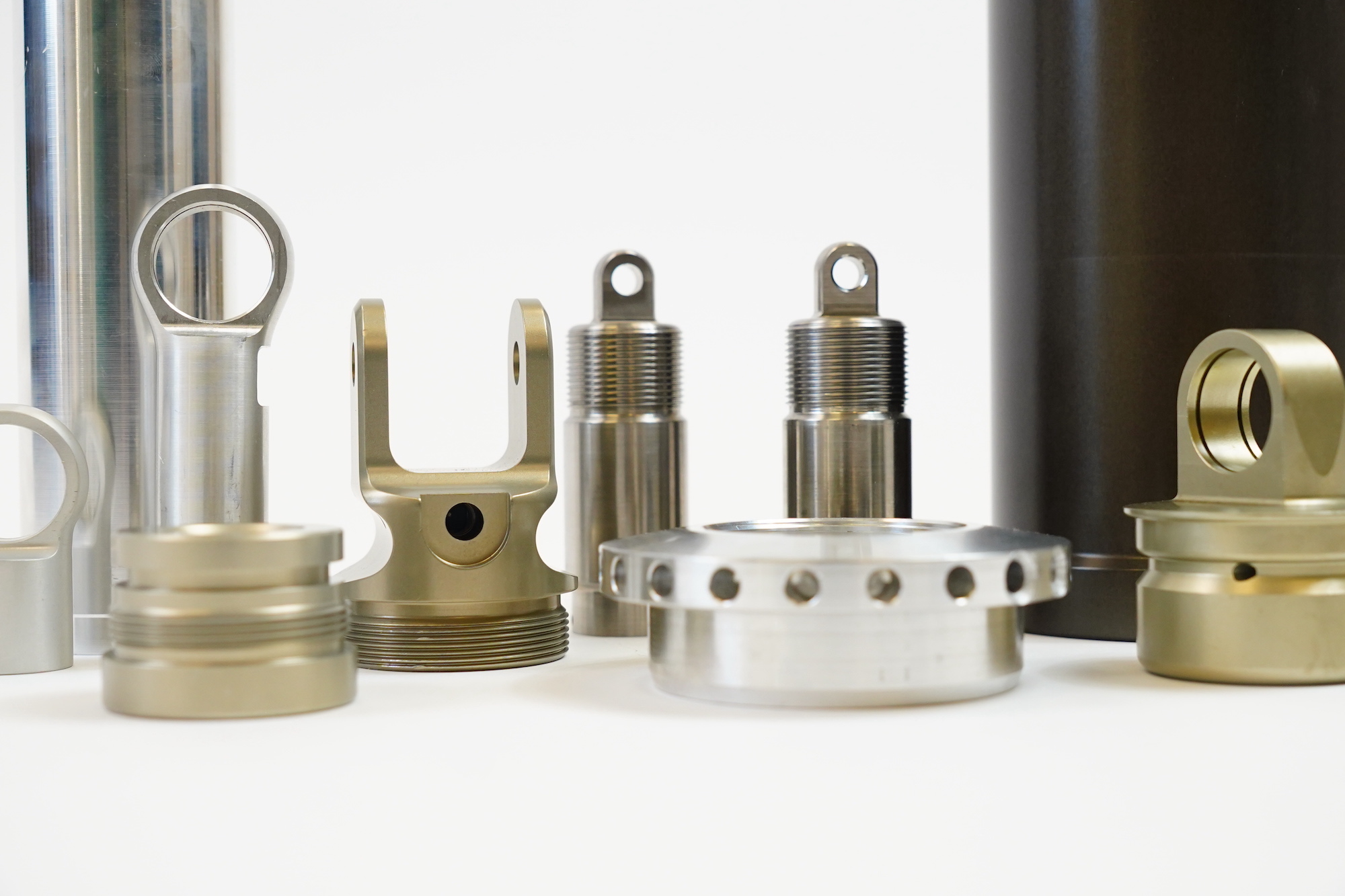
Alloy Steel Grade Selection
The right alloy steel grade depends on section size, required strength level, machinability, and specified heat treatment:
- 4140 (Cr-Mo steel) — A widely used alloy steel offering an excellent combination of strength, toughness, and machinability. Used for shafts, gears, hydraulic cylinder components, and structural fasteners.
- 4340 (Ni-Cr-Mo steel) — Provides high hardenability and strength for larger cross-section components requiring consistent properties throughout the part.
- 8620 (Ni-Cr-Mo case-hardening steel) — Designed for carburizing and case hardening, providing a tough, ductile core with a hard, wear-resistant surface. Commonly used for gears, camshafts, and wear components.
- 4130 (Cr-Mo steel, lower carbon) — Similar to 4140 but with lower carbon content for improved weldability; commonly used for aerospace structural components where strength and weldability are required.
Specifications
| Grades | 4140, 4340, 8620, and 4130; standard stocked grades with 52100, H13, D2, and other alloys available upon request |
| Turning | Bar-fed and chucked turning for alloy steel shafts, fasteners, and cylindrical components |
| Milling | Vertical and horizontal CNC milling for alloy steel housings, brackets, and precision components |
| Heat Treatment | Quench and temper (Q&T) for 4140 and 4340; carburizing and case hardening for 8620; nitriding coordinated through qualified outside heat treatment providers |
| Grinding | OD and surface grinding after heat treatment to achieve final dimensions; coordinated through qualified outside grinding providers |
| Tensile Strength | 4140 Q&T: 95–180 KSI; 4340 Q&T: 125–220 KSI, depending on the specified tempering temperature |
| Tolerances | ±0.001″ standard machining; post-heat-treatment grinding achieves ±0.0001″ on OD features |
| Certifications | ISO 9001:2015 |
Alloy Steel Applications From RPM
Our Alloy Steel CNC Machining capabilities support high-strength, high-load, and fatigue-critical applications across multiple industries:
- Drivetrain shafts — 4140 and 4340 shafts hardened to 35–42 Rc for gearbox and powertrain applications
- Hydraulic cylinder rods — 4140 Q&T cylinder rods ground to precision OD for improved seal performance
- Aerospace and defense components — 4340 structural components heat treated to specified strength levels
- Gears and camshafts — 8620 carburized and case hardened for wear-resistant surfaces with a tough core
- High-strength fasteners — 4140 and 4340 bolts and studs for structural bolting applications
- Tooling and dies — H13 and D2 tool steel machined for injection molds, dies, and cutting tools
Industries We Serve
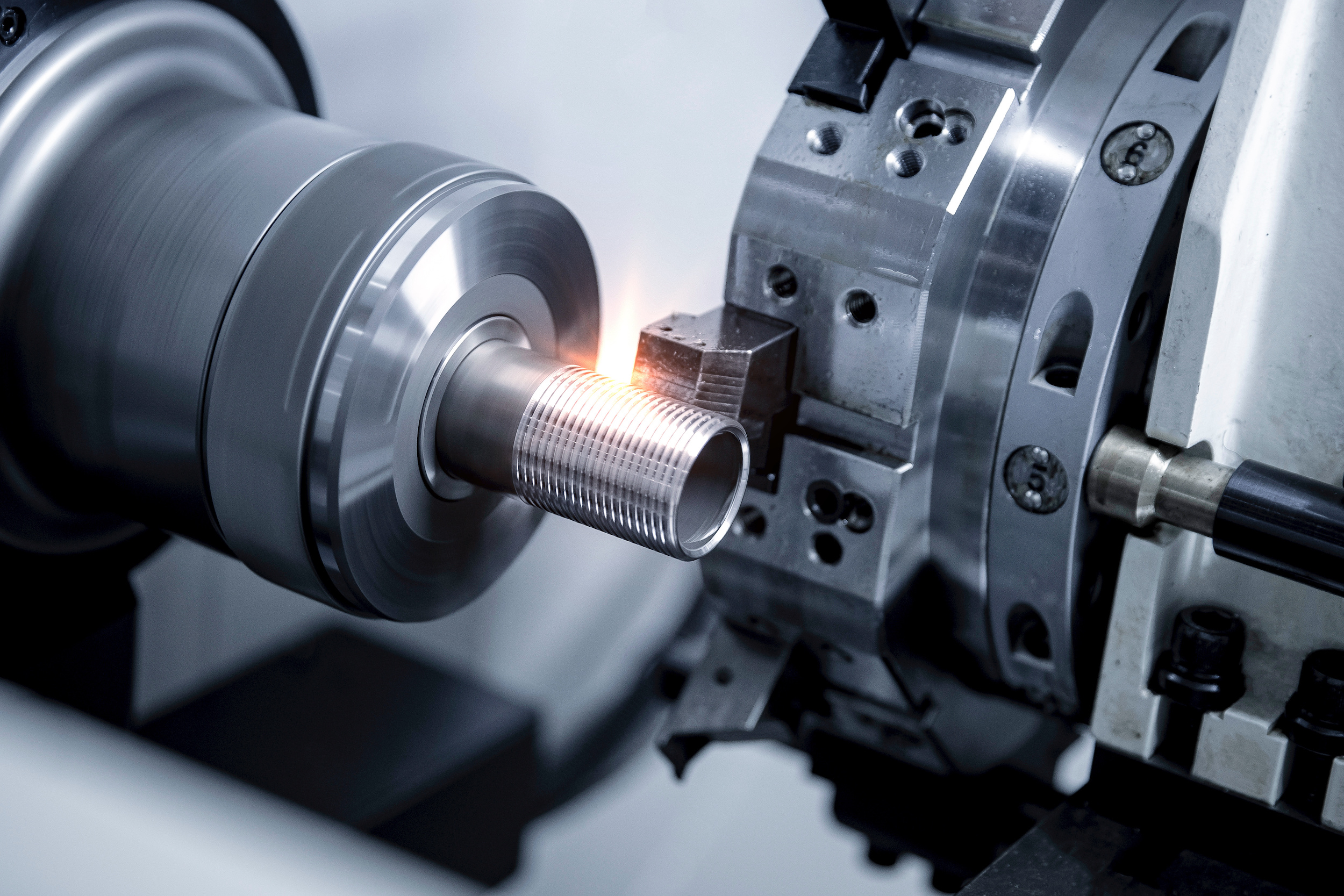
Aerospace & Defense
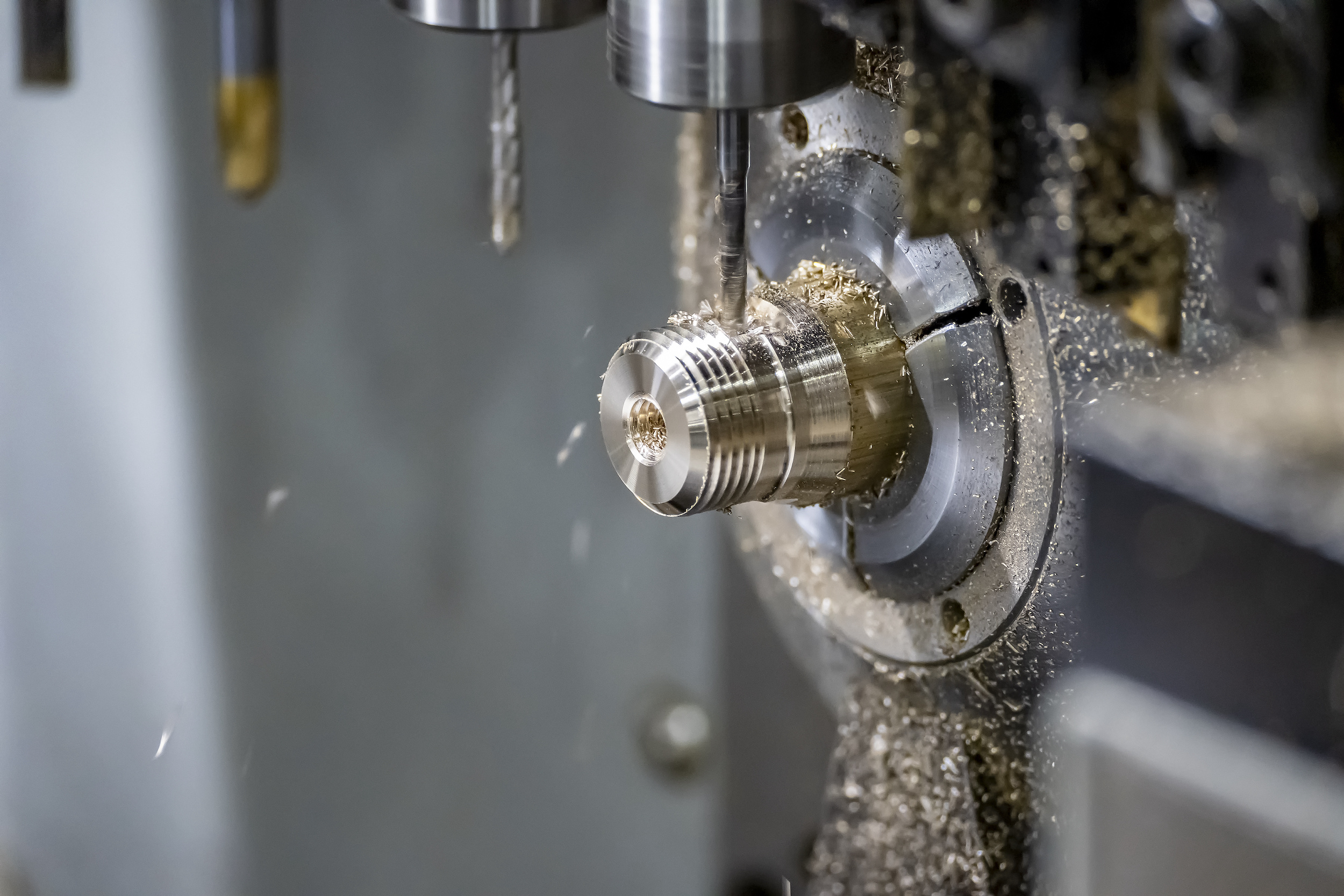
Medical Devices
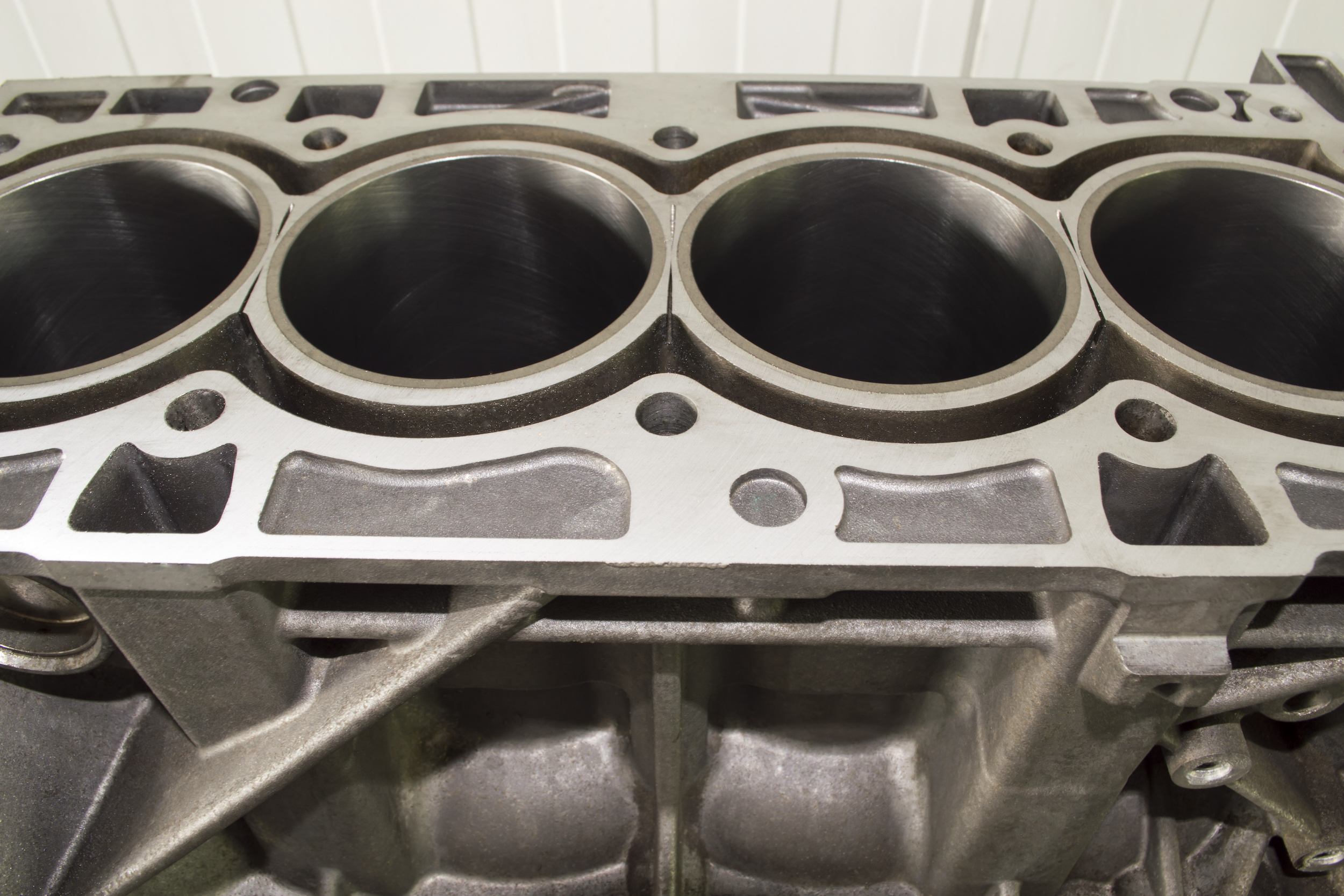
Automotive

Fluid Power
Frequently Asked Questions
Q: Should I specify 4140 or 4340 for a high-strength shaft?
A: For shaft diameters up to 2 inches, 4140 provides adequate hardenability for most strength requirements at lower material cost than 4340. For larger diameters or applications requiring tensile strength above 180 KSI, 4340’s superior hardenability is required to achieve full hardness throughout the cross section.
Q: Can RPM supply 4140 pre-hardened to Rc 28-32?
A: Yes. Pre-hardened 4140 (4140 HT or P/H) is available in bar stock form already heat treated to Rc 28-32 (approximately 130-145 KSI tensile). This allows machining to final dimensions without a post-machining heat treat step, eliminating distortion risk.
Q: What documentation does RPM provide for alloy steel heat treated parts?
A: We provide mill certification for the raw material, heat treat certification from the outside processor (including furnace charts, quench records, and hardness test results), and our dimensional inspection report.
Q: What is the machinability of 4140 compared to 1045 carbon steel?
A: Annealed 4140 has machinability approximately 65% of baseline reference steel. This is lower than 1045 (72%) but still reasonable for CNC machining with appropriate tooling and parameters. Pre-hardened 4140 at Rc 28-34 machines at approximately 55-60% of baseline.