
CNC Machining for PVC
Resolute Precision Manufacturing produces precision CNC machined PVC (Polyvinyl Chloride) components for industrial and consumer applications. PVC (Polyvinyl Chloride) combines unique properties rigid commercial and industrial-grade pvc that make it the right material choice for applications where cost, machinability, and chemical resistance matter. From prototype evaluation to high-volume production, we deliver precision pvc (polyvinyl chloride) components on schedule.
Request a Quote
Why PVC (Polyvinyl Chloride) for Precision CNC Machining
PVC (Polyvinyl Chloride) is chosen for CNC machining in applications where metal is either cost-prohibitive, too heavy, or insufficient. Unlike brittle thermosets, pvc (polyvinyl chloride) can be machined to tight tolerances without crazing, stress fracture, or dimensional change. The material’s low thermal conductivity and machinability mean CNC cutting speeds are moderate and tooling costs are predictable. For production volumes, pvc (polyvinyl chloride) components cost 30—60% less than equivalent metal parts while offering weight savings, corrosion immunity, and design flexibility that metal cannot match.
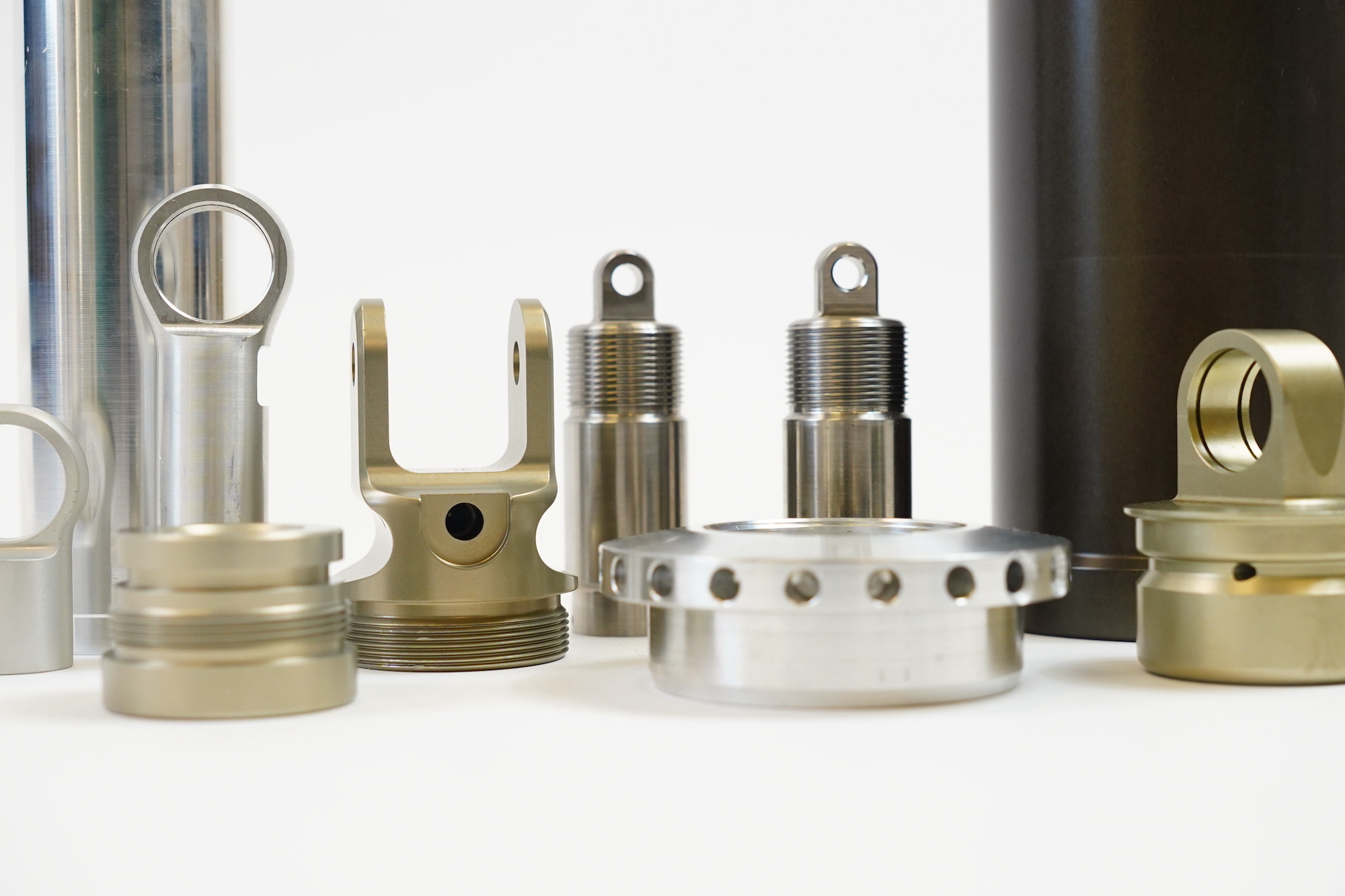
Common Applications for PVC
- Industrial piping and duct components
- Chemical storage tank fittings and flanges
- Valve bodies and gate mechanisms
- Electrical conduit and cable tray
- Marine through-hull fittings and seacocks
- Laboratory equipment and bench-top apparatus
Specifications
| CNC Turning | Swiss CNC (20mm–38mm); Y-axis dual spindle lathe ideal for tight OD tolerances and threaded components |
| CNC Milling | 3, 4, and 5-axis CNC milling for complex geometries, pockets, and contoured surfaces |
| Tolerances | ±0.005″ standard; ±0.002″ achievable with secondary finishing operations |
| Surface Finish | As-machined (Ra 32 µin); polished and hand-finished surfaces available |
| Materials in Stock | Rigid commercial and industrial-grade PVC |
| Volume Capability | Prototype through production runs |
| Certifications | ISO 9001:2015 |
Industries We Serve
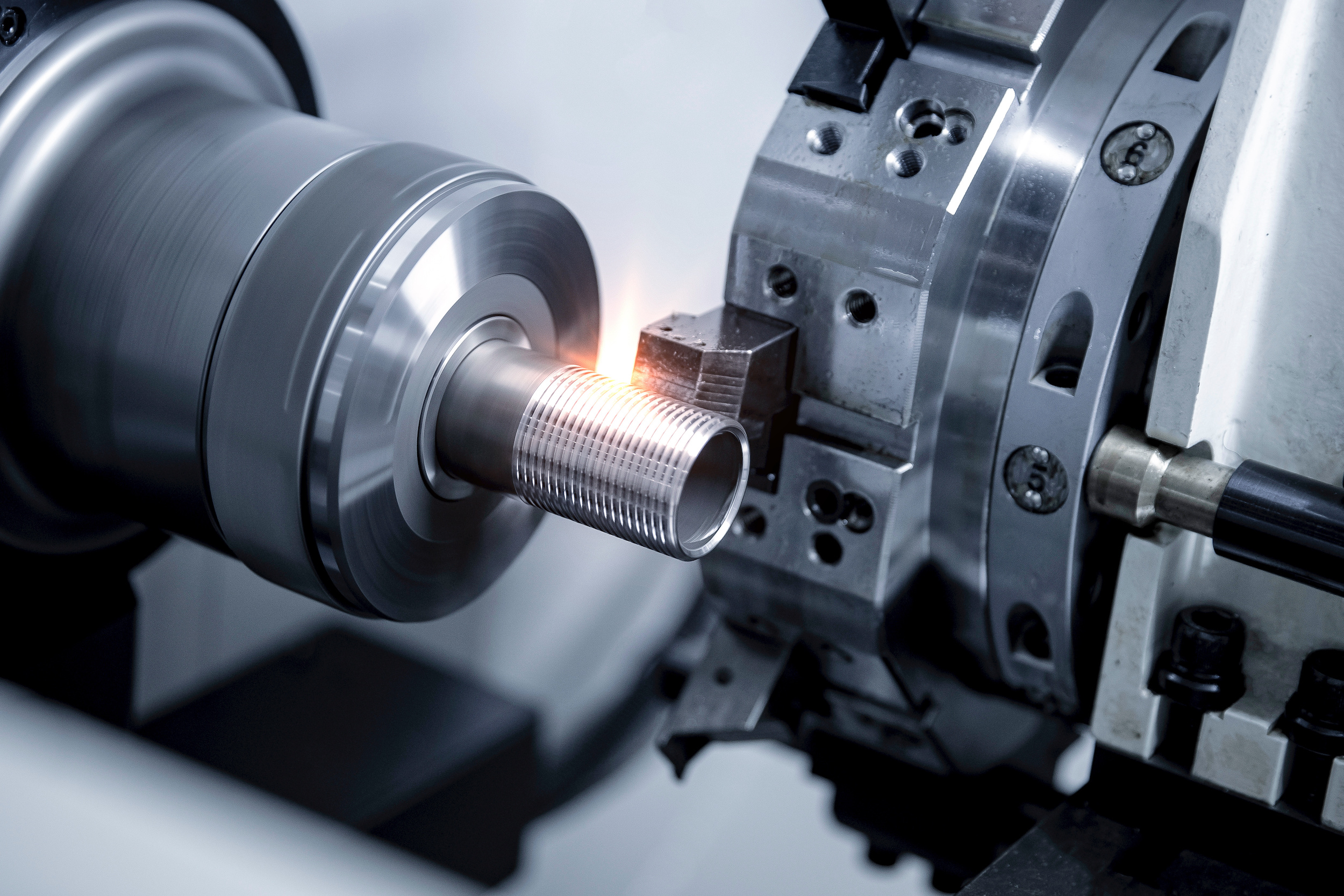
CNC Turning Services
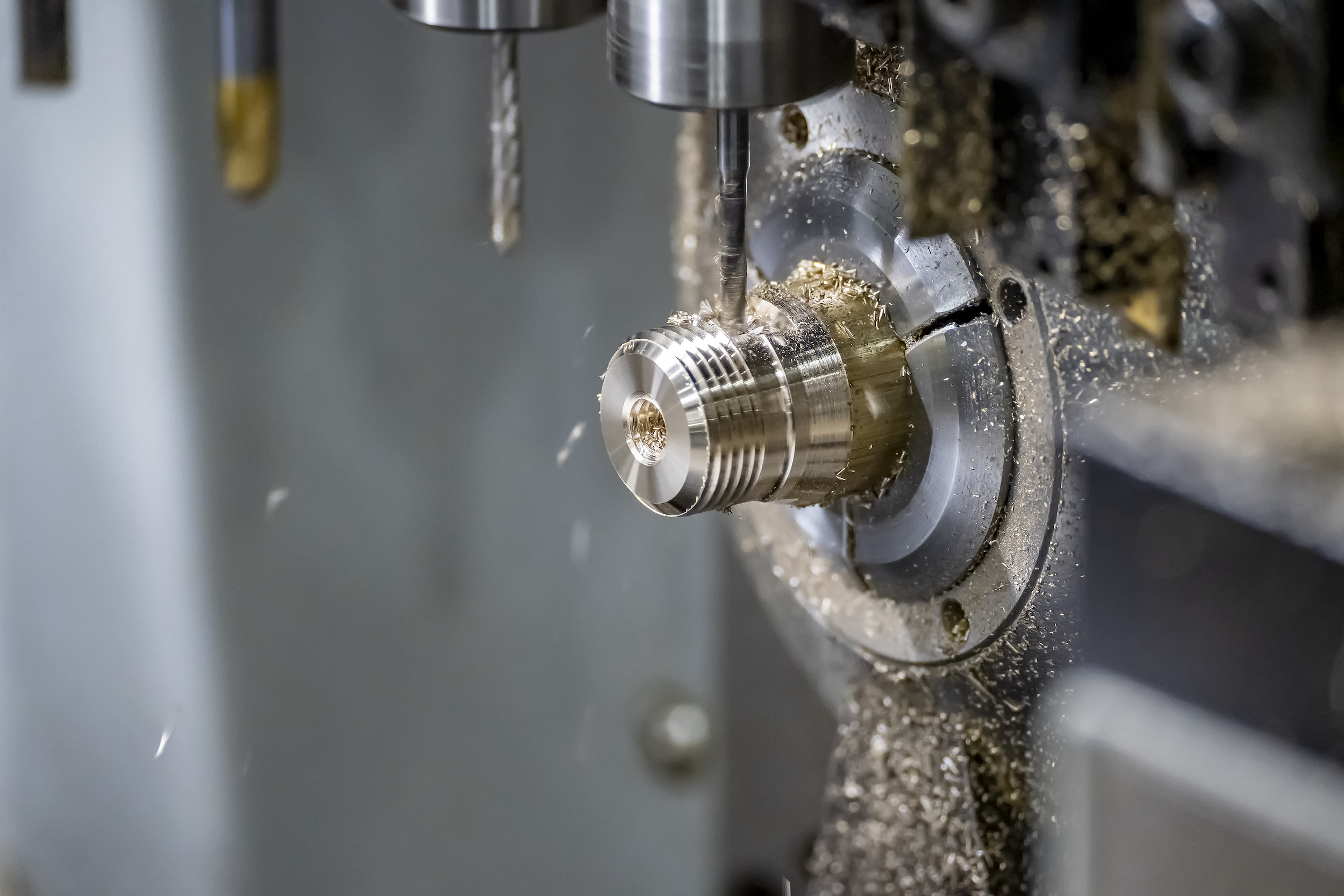
CNC Milling Services
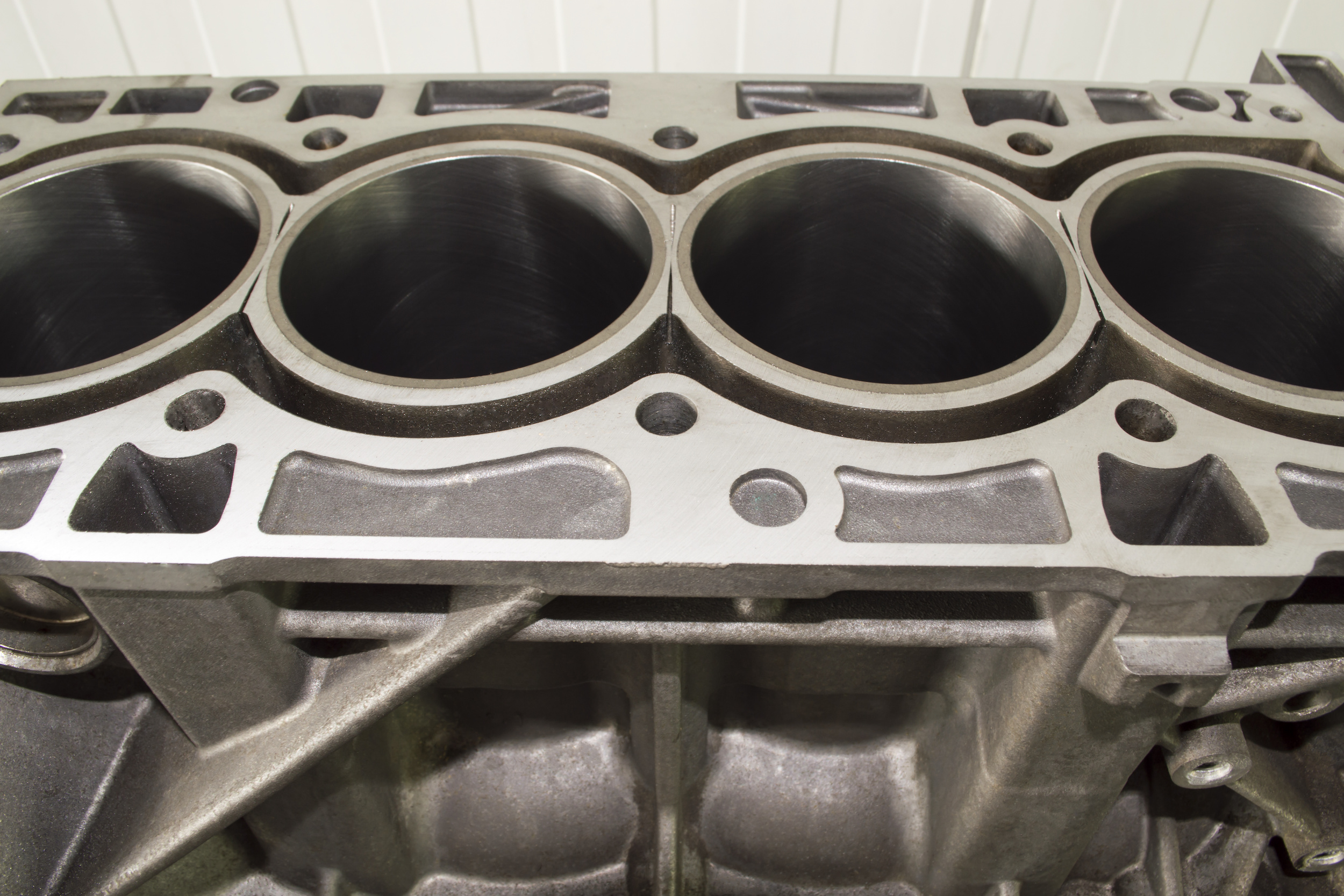
Custom Fasteners

Value-Added Services
Frequently Asked Questions
Q: What tolerances can RPM hold on pvc (polyvinyl chloride) components?
We routinely hold ±0.005″ on diameter and length. With secondary finishing (boring, grinding, or polishing), ±0.002″ is achievable. The limiting factor is material creep and thermal expansion in pvc (polyvinyl chloride), not machine capability.
Q: Can RPM machine pvc (polyvinyl chloride) with external coolant?
Yes. PVC (Polyvinyl Chloride) machines cleanly dry or with coolant. We use both approaches depending on the application. Dry machining reduces coolant disposal costs; flooded cooling improves surface finish on precision surfaces.
Q: How does pvc (polyvinyl chloride) compare to metal for this application?
Cost is typically 30-60% lower for pvc (polyvinyl chloride). Weight is 1/5th to 1/6th of steel. Chemical resistance and corrosion immunity are superior. However, pvc (polyvinyl chloride) has lower strength and stiffness, so structural applications may require metal or reinforced polymer.
Q: Can we source pvc (polyvinyl chloride) in different colors or grades?
Yes. We stock natural (unfilled) and several pigmented grades. For specialty requirements (UV-stabilized, FDA-approved, flame-retardant, or glass-filled), we can procure material and schedule production. Lead time depends on material availability.