
Machined Bosses
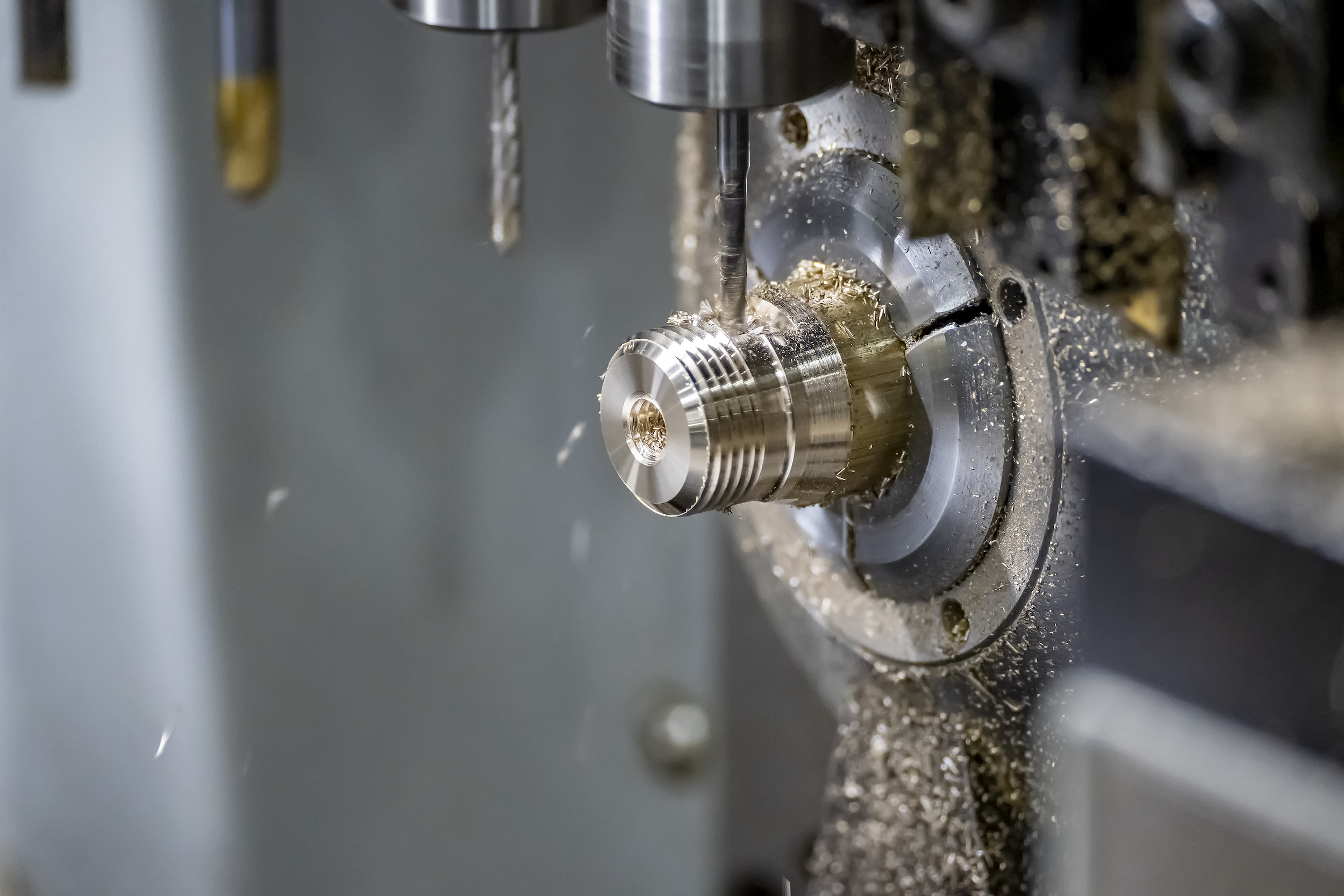
Resolute Precision Manufacturing CNC machines precision bosses raised, cylindrical mounting features used to locate, support, and fasten mating components as standalone hardware or as a machined feature integrated into a larger part. Threaded or unthreaded, in aluminum, steel, stainless, or brass, our turning and milling platforms hold the concentricity and perpendicularity that boss features require for reliable assembly. Request a QuoteWhat a Machined Boss Does
A boss provides a controlled, elevated mounting surface typically for a screw, standoff, or bearing that is stronger and more dimensionally stable than fastening directly to a thin wall or sheet surface. Bosses are common in electronic enclosures, brackets, pump and valve housings, and assemblies where a fastener needs more thread engagement or bearing surface than the surrounding material provides.
Our Services
Threaded vs. Unthreaded Bosses
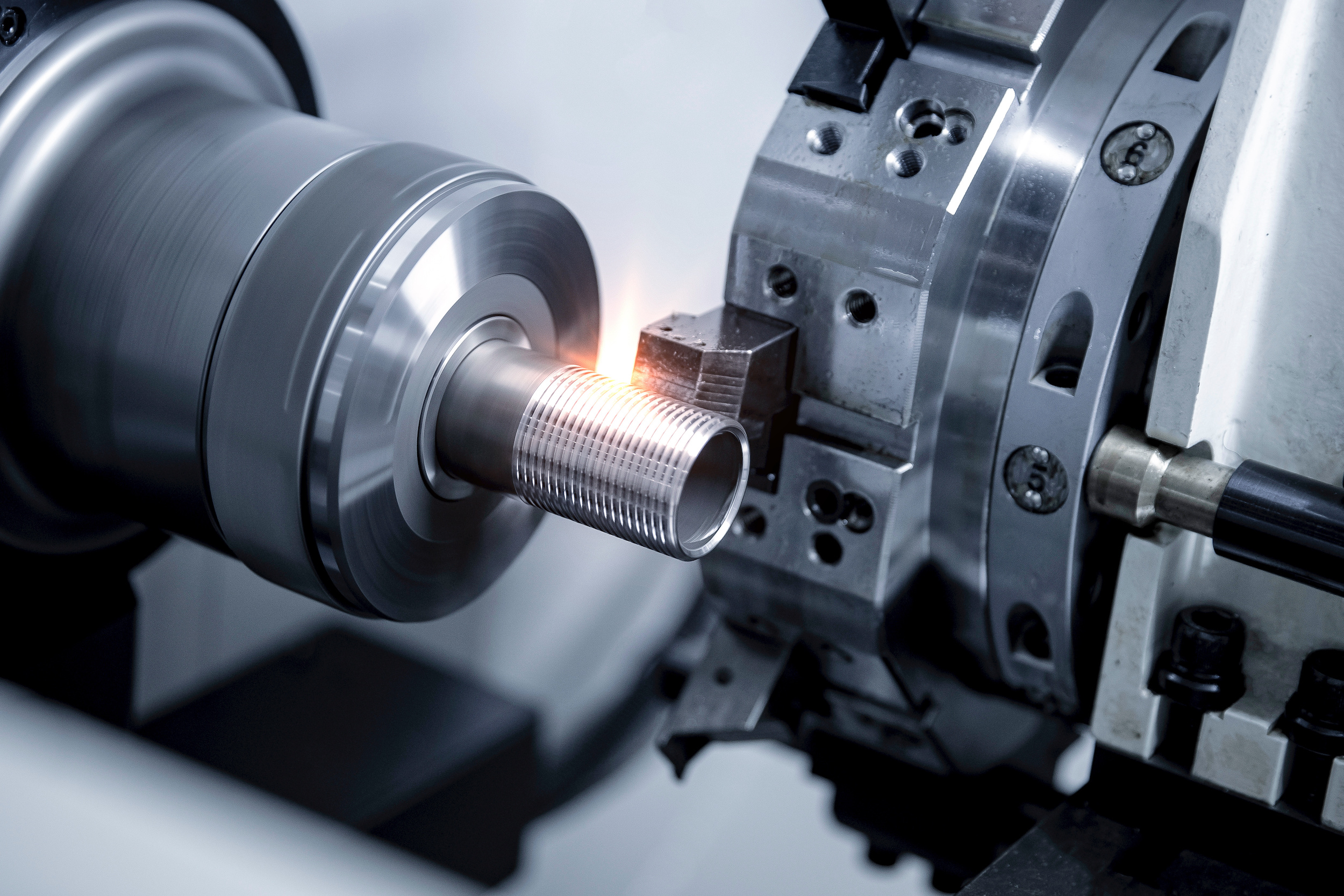
- Threaded bosses — internal threads tapped directly into the boss for a machine screw or bolt; thread depth is sized to the boss diameter and material to avoid stripping
- Unthreaded (standoff) bosses — a plain bore or through-hole sized for a pass-through fastener, dowel, or press-fit component
- Stepped bosses — a boss machined with two or more diameters to locate a bearing, bushing, or mating part at a controlled height
Design Considerations
- Boss height-to-diameter ratio affects strength — tall, narrow bosses are more prone to stress concentration at the base and may need a fillet or gusset
- Wall thickness around a threaded boss should be sufficient to prevent cracking under fastener torque, particularly in aluminum
- Concentricity between the boss OD and the internal thread or bore is critical for proper mating part alignment
- A chamfer at the boss face reduces burring on the mounting surface and eases assembly
Specifications
| Materials |
Aluminum 6061/7075, carbon and alloy steel, stainless 303/304/316, brass |
| Diameter Range |
As small as Swiss CNC turning allows up to large milled bosses on housings |
| Tolerances |
Concentricity and perpendicularity routinely held to ±0.001″–±0.002″ |
| Threading |
Tapped internal threads to customer print; helical inserts coordinated on request |
| Finishing |
Anodize, black oxide, zinc plating coordinated through outside operations |
| Input Format |
Customer drawing or 3D model (STEP, IGES) preferred |
| Quality |
ISO 9001:2015; dimensional inspection report available on request |
Frequently Asked Questions
Can RPM machine bosses as a feature on a larger part, not just standalone hardware?
Yes. Most bosses we machine are one feature among several on a larger milled housing or turned component, produced in the same setup as the rest of the part.
Q: What tolerance can RPM hold on boss concentricity?
Concentricity is routinely held to ±0.001″–±0.002″ relative to the part’s datum features, with tighter tolerances achievable depending on the boss geometry and material.
Can RPM recommend boss design changes to prevent cracking or stripping?
Yes. Our engineers review boss wall thickness, height-to-diameter ratio, and thread engagement during quoting and will flag any design that is at risk of cracking under fastener load.
Does RPM add threaded inserts to machined bosses?
Yes. Helical wire inserts and other threaded insert types are coordinated on request for bosses in softer materials such as aluminum or plastic where added thread durability is needed.