You have a new design ready to go, and now you need to hold the physical part in your hands. But how should you actually make it? Engineers and product designers constantly weigh 3D printing against subtractive manufacturing. While both methods deserve a spot on your R&D workbench, knowing exactly when to step up from a basic print to professional prototype CNC machining services can save you weeks of headaches and costly redesigns down the line.
Let’s break down when to use which method.
When to Fire Up the 3D Printer
3D printing is fantastic for those early “look-and-feel” stages. If you just need a quick, low-cost model to pass around a meeting room, check ergonomics, or confirm basic geometry, hit print. It is also the go-to solution for wild internal geometries or enclosed lattices that a standard end mill simply cannot reach.
But let’s be honest about its limits. Standard FDM or SLA prints usually lack the structural strength and smooth surface finish you need to put the part through the wringer in real-world testing. Because they are built layer by layer, printed parts are notoriously prone to snapping along the Z-axis when stressed.
The Heavy Hitter: Prototype CNC Machining Services
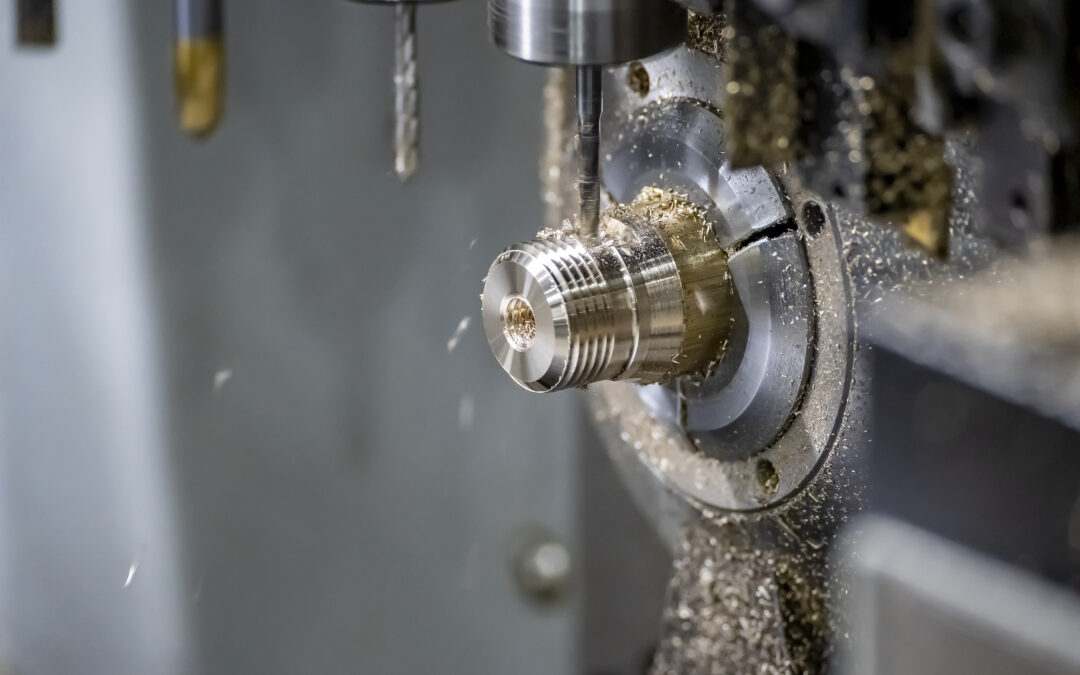
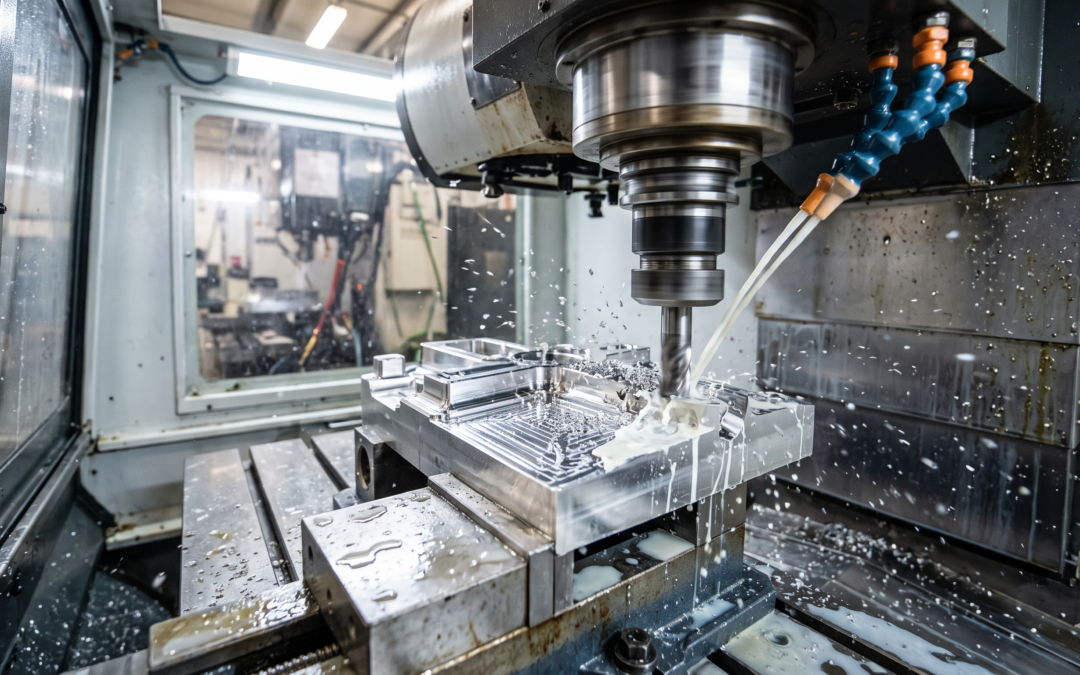
When your design graduates from visual show-and-tell to functional validation, prototype CNC machining services step up to the plate. Instead of building a part fragile layer by fragile layer, CNC machining carves your exact design out of a solid block of real, production-grade material.
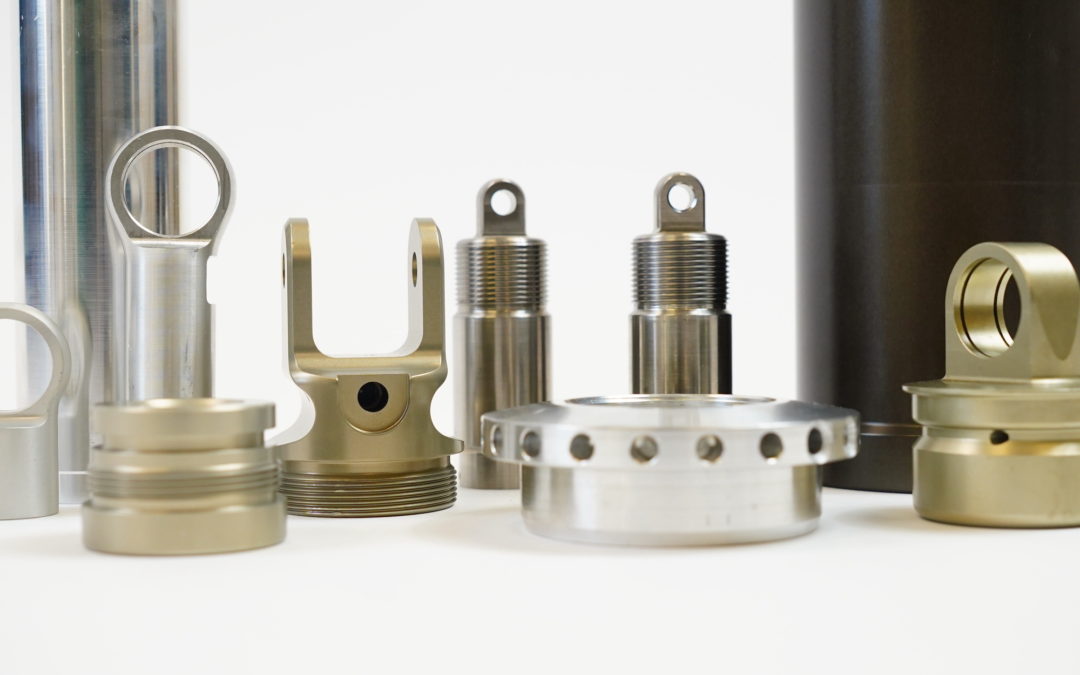
Whether you are working with 304 Stainless Steel for a medical device or 6061-T6 Aluminum for an aerospace bracket, machining ensures your prototype behaves exactly like the final production run will. You get the real thermal, chemical, and mechanical properties to test against. Plus, CNC routinely nails tight tolerances of ±0.001″ to ±0.005″. Try getting a reliable press fit or perfect bearing housing off a standard 3D printer—it is incredibly frustrating, if not impossible
What About Surface Finishes?
We all know 3D printed parts come off the bed with those distinct layer lines, meaning someone has to spend hours sanding or chemically smoothing them. CNC machining, on the other hand, delivers beautiful, functional surface finishes right off the machine.
Need a Type III hardcoat anodize for wear resistance? How about a chem film for corrosion protection, or a clean bead blast for a cosmetic review? You need machined metal for that. Even engineered plastics like PEEK, Delrin, and Polycarbonate machine cleanly, giving you friction and wear data you can actually trust.
The Hidden Benefit: A Smoother Road to Production
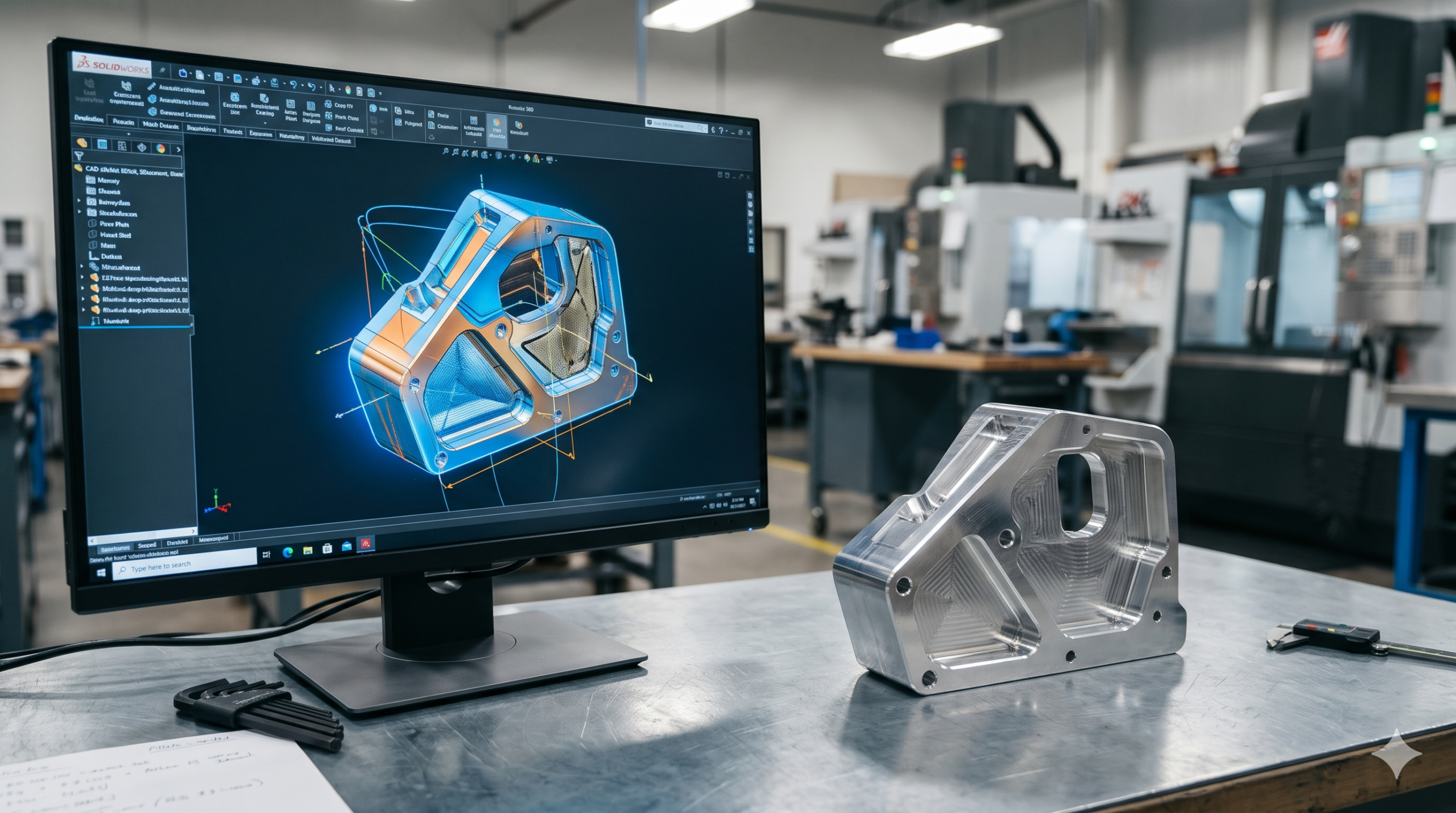
Here is a reality of the manufacturing floor: using prototype CNC machining services paves a much smoother road to full production. When a machine shop cuts your prototype, they are already figuring out the tooling paths, fixturing strategies, and CAM programming.
Once you approve the prototype, scaling up to a run of 500 or 5,000 parts is mostly about optimizing a process that already exists. If you rely entirely on 3D printing for prototyping, you will likely have to completely redesign your part for manufacturability (DFM) when you eventually transition to production machining.
Testing a plastic proxy when you plan to manufacture in metal often leads to false failures and wasted time. When performance, tight tolerances, and real materials matter, machining is the clear winner.
Have a Part to Quote?
Send us a drawing. We will have a manufacturing feasibility note and real price back to you within 24 hours. No commitment, no pressure – just a straight answer from the people who will run your job. Contact Us or call (260) 665-6463.